

Here is a 1,000-word post about the Serranía de Ronda Natural Park, focusing on its flora and fauna, ideal for a blog on nature, ecotourism or SEO content:
Parque Natural de la Serranía de Ronda: a sanctuary of biodiversity in the heart of Andalusia
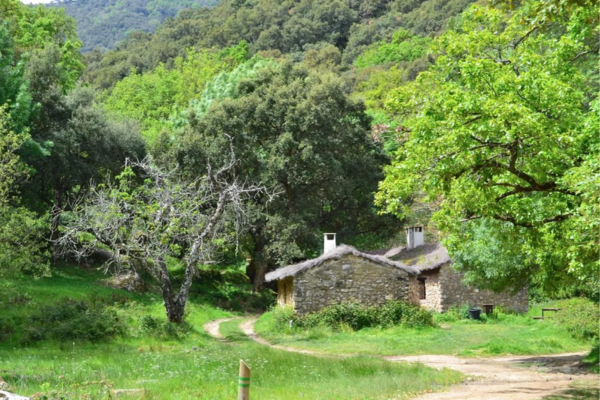
The Serranía de Ronda, located to the west of the province of Málaga, is a natural jewel of Andalusia. This mountainous territory, which forms part of the Baetic System, is made up of a series of steep mountain ranges, deep valleys, ancient forests, and surprising geological formations. A large part of this area forms part of the Sierra de las Nieves Natural Park—declared a National Park in 2021—and borders areas such as the Los Alcornocales Natural Park and the Mediterranean Intercontinental Biosphere Reserve.
What makes the Serranía de Ronda unique is not just its scenic beauty but the extraordinary biodiversity it harbours. In its valleys, peaks and ravines live hundreds of animal and plant species, some of them endemic or endangered. In this article we explore the rich Fauna and flora from the Serranía de Ronda Natural Park, an unmissable destination for nature lovers.
A privileged geographical setting
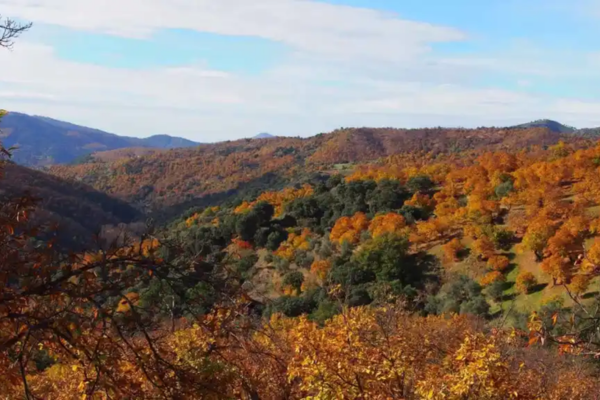
The park extends over altitudes ranging from 400 to more than 1,900 metres above sea level, which creates a variety of microclimates and habitats. From the holm oak woodlands of the Genal Valley to the snow-capped summits of Torrecilla (1,919m), passing through Spanish fir forests, gall oak woodlands, Mediterranean scrubland, rocky outcrops and clean rivers, the Serranía de Ronda presents an ecological mosaic that favours the coexistence of very diverse species.
The flora: a natural botanical garden
🌿 The Pinsapo, the symbol of the park
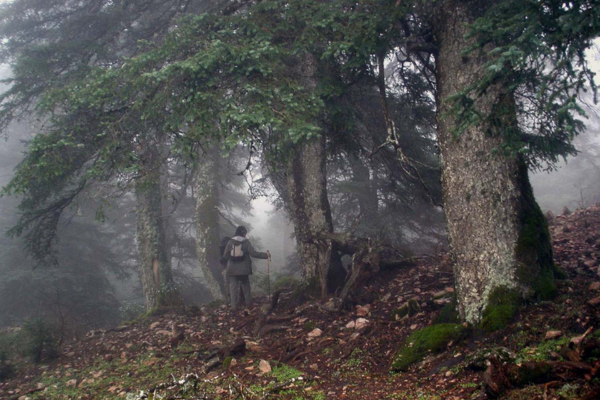
If there is one plant species that defines the Serranía de Ronda, it is, without a doubt, the Spanish fir (Spanish firThis relic fir tree from the Tertiary period only grows naturally in some mountain ranges in southern Andalusia and northern Morocco. In the Sierra de las Nieves, the pinsapo forms extensive forests on shady and humid slopes, between 1,000 and 1,800 metres above sea level.
The most famous pine forest is the one at Yunquera, as forests are also found in Parauta, Tolox and El Burgo. It is a majestic tree, with short, sharp leaves, very resistant to cold and snow. Its conservation is a priority for the Junta de Andalucía and it is declared a protected species.
🌳 Mediterranean forests and diverse vegetation
In addition to the Spanish fir, the Serranía is home to a rich variety of forest species and vegetation:
- Holm oaks, Portuguese oaks and cork oaks form extensive woods at lower altitudes, accompanied by a dense undergrowth of mastic, rockrose, strawberry tree and kermes oak.
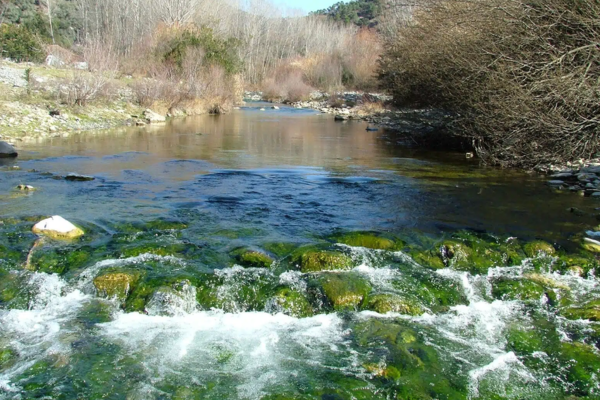
- In damp areas or with watercourses, they appear Elms, ash and willows, creating small riparian woodlands.
- The rock flora, adapted to the limestone cliffs, includes unique plants such as Saxifrage, Ronda walkway (Antirrhinum grosiior Campanula mollis.
In spring, the valley fills with Wild orchids, some as rare as Ophrys tenthredinifera, which mimics the shape of insects to attract pollinators.
Wildlife: a sanctuary for emblematic species
The great variety of habitats, low human population density, and the existence of protected areas have allowed wildlife to be conserved in very good condition in the Serranía de Ronda.
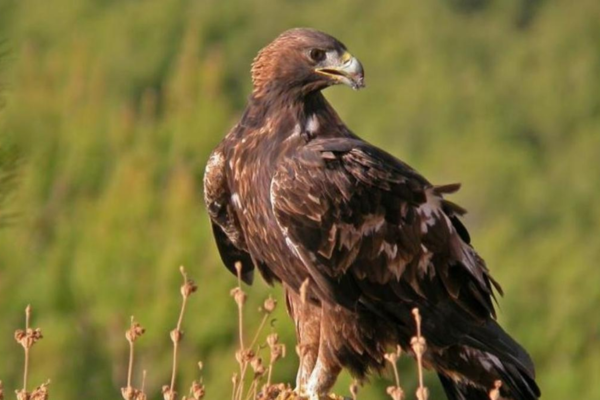
Eagle Birds of prey and cliff-dwelling species
Rock faces, gorges and cliffs are the ideal habitat for birds of prey. In the park you can observe:
- Griffon vulture (Gyps fulvus) with established colonies in the Ronda Tajo area and in the El Chorro gorges.
- Golden eagle (Aquila chrysaetos): Queen of the Serranía skies, it nests on high crags and flies with elegance in search of prey.
- Bonelli's eagle (Aquila fasciata) scarcer, but present in low scrubland and cuttings.
- Peregrine falcon, kestrels and eagle owls, also find their habitat in this park.
Furthermore, common birds in the woodlands include the green woodpecker, great tit, blue tit, jay, and a wide variety of finches.
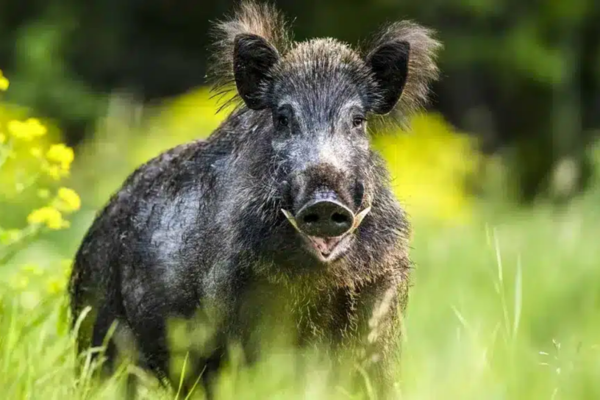
Wild boar Mammals: from wild boar to roe deer
Among the most representative mammals of the park, we find:
- Iberian ibex (Capra pyrenaica): one of the most emblematic species, which moves with agility through the most rugged cliffs and mountain ranges.
- Wild boar (Sus scrofa): very abundant, it is seen above all at dawn or at dusk.
- Zorro (Vulpes vulpes), badger, genet, and marten, They are common predators and scavengers in forests.
- Roe deer (Capreolus capreolus): Successfully reintroduced in the Sierra de las Nieves, it is more elusive, but inhabits the holm oak and Spanish fir forests.
The area is also home to small mammals such as dormice, shrews, voles, and various species of bats, which are vital for insect control.
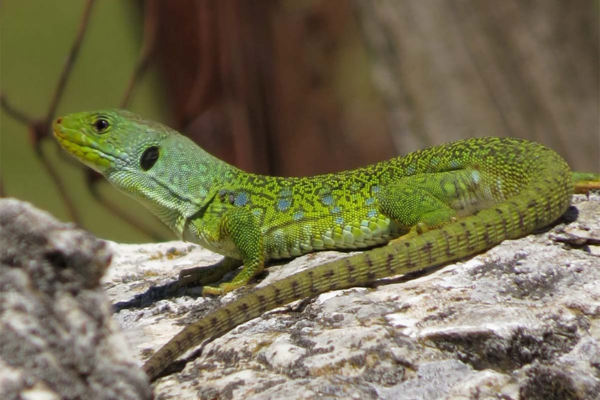
Lizard Reptiles and amphibians: discreet treasures
The park's herpetological richness is remarkable:
- Among the Reptiles, shines, he highlights ocellated lizard, the Ladder snake and the Snouted viper (Venomous but not very aggressive).
- Regarding amphibians, are frequent the Common toad, the Southern frog, the Dwarf salamander and the gallipot, which needs clean water to reproduce.
These species are heavily dependent on water quality and the conservation of temporary ponds and streams, especially in spring.
A paradise for ecotourism and nature observation
The Serranía de Ronda has become a prime destination for hikers, botanists, ornithologists, and ecotourism enthusiasts. Its numerous routes – such as the climb up to Torrecilla, the Pinsapar trail, Cañada del Cuerno, or the Genal valley – allow for an in-depth exploration of its biological richness.
Additionally, it's an ideal place for Wildlife photography, with natural viewpoints on many routes, and is a Special Protection Area for birds (ZEPA).
Conservation and future challenges
Although much of the park is protected, the flora and fauna of the Serranía de Ronda continue to face challenges such as:
- Climate change, which particularly affects endemic species such as the Pinsapo fir.
- The abandonment of the rural world, which entails a loss of traditional knowledge of the environment.
- Overtourism, which can cause erosion, rubbish and disturbance to wildlife.
For this reason, the environmental education and sustainable tourism are fundamental to conserving this natural treasure. Visiting the park with respect, following the marked paths, avoiding excessive noise, and not collecting plants or disturbing animals is a way to contribute to its preservation.
Conclusion
The Serranía de Ronda Natural Park is much more than an impressive landscape: it is a living space, full of unique species, unique ecosystems, and biodiversity that connects us with the wild essence of the Mediterranean nature. Walking its paths is to enter a world where the Spanish fir grows under the shelter of the peaks and the golden eagle soars over the gorges. A place to enjoy, learn, and protect.


