

The Fuente de Piedra Lagoon: A Natural Sanctuary in Málaga
Located in the heart of the province of Malaga, the Fuente de Piedra Lagoon is a natural enclave of great ecological and scenic importance. This wetland, which covers about 1,400 hectares, is the largest natural lake in Andalusia and one of the most important in Spain. Not only is it a place of scenic beauty, but it is also a sanctuary for a wide variety of bird species, making it an essential destination for nature and ornithology enthusiasts.
History and Origin
The history of the Fuente de Piedra Lagoon is deeply linked to the geology and climatology of the region. It is an endorheic lagoon, meaning it has no outlet to the sea. This signifies that water accumulates in the lagoon during periods of rain, and then evaporates, leaving behind large quantities of salt. This process has occurred over millennia, creating a unique environment where the salinity of the water plays a crucial role in shaping the ecosystem.
The lagoon has historically been exploited for salt extraction since Roman times. For centuries, this activity was the main source of income for local communities. However, over time, salt extraction declined and the lagoon became valued more for its biodiversity than for its economic exploitation.
In 1984, the Fuente de Piedra Lagoon was declared a Nature Reserve by the Junta de Andalucía, an acknowledgement that underscores its ecological importance. Since then, various measures have been implemented to protect and conserve this very special habitat, which has allowed birds, particularly flamingos, to thrive in this environment.
Wildlife of the Fuente de Piedra Lagoon
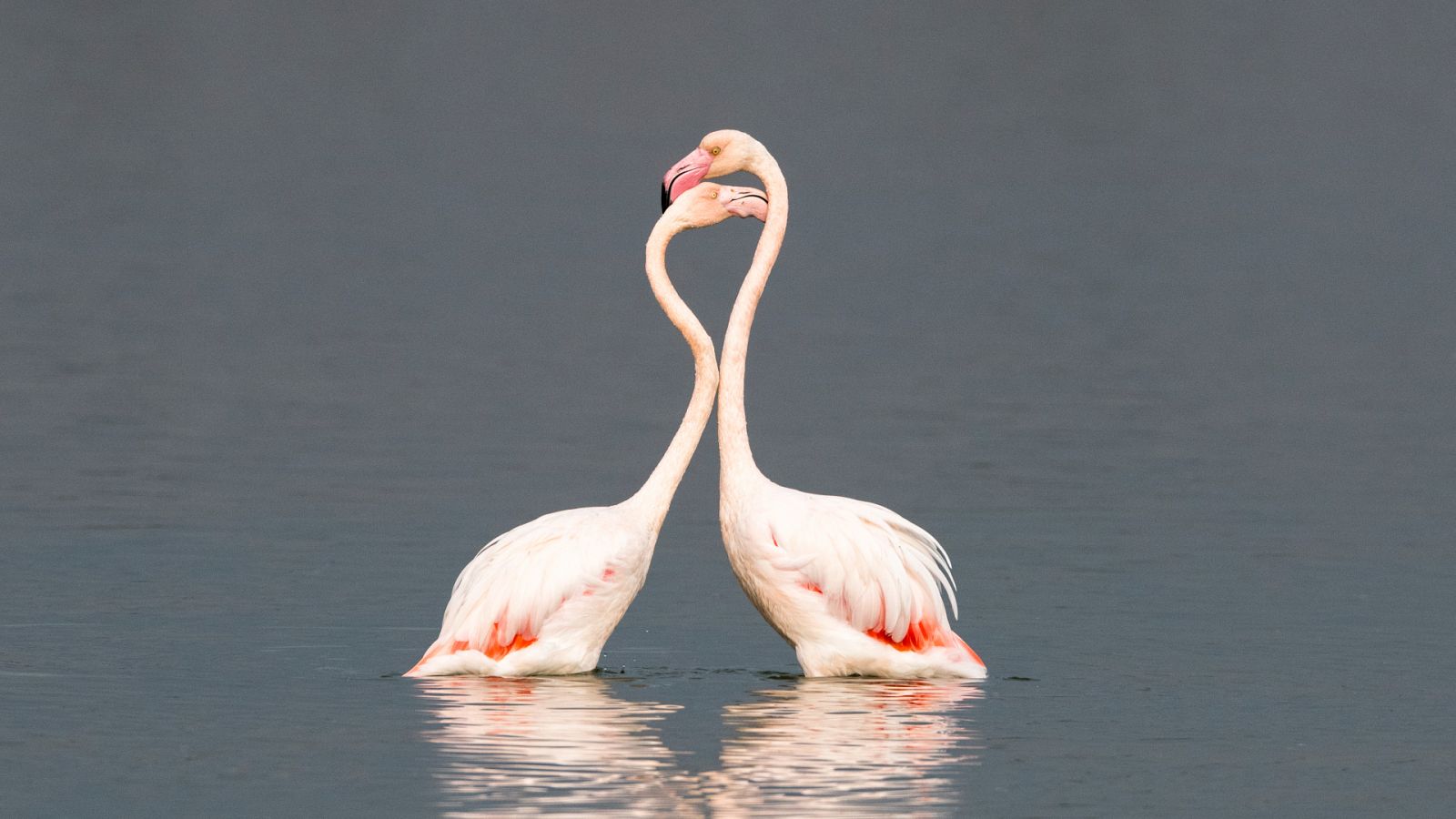
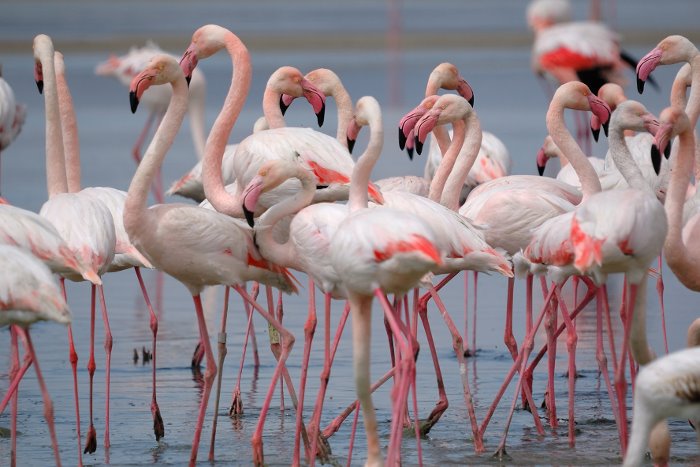
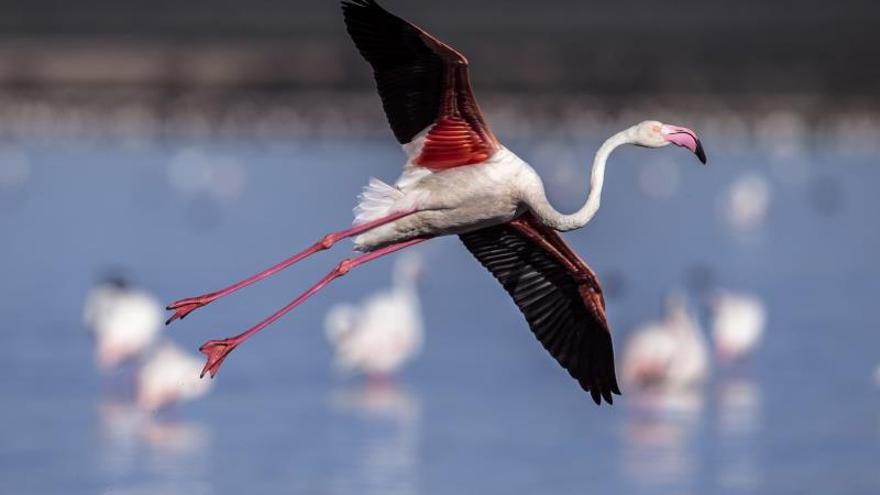
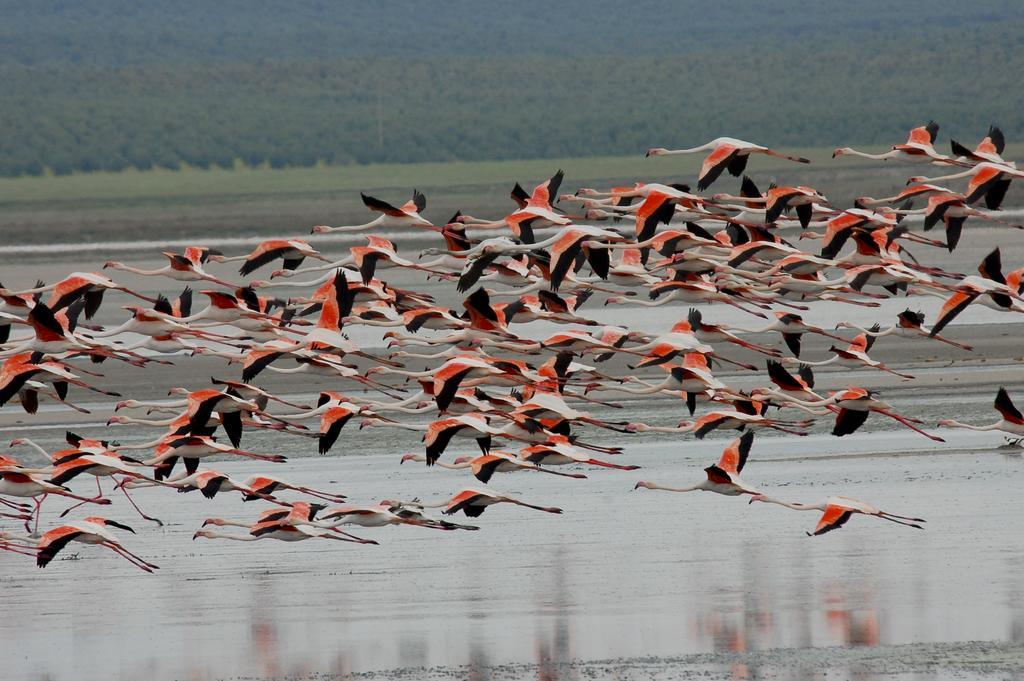
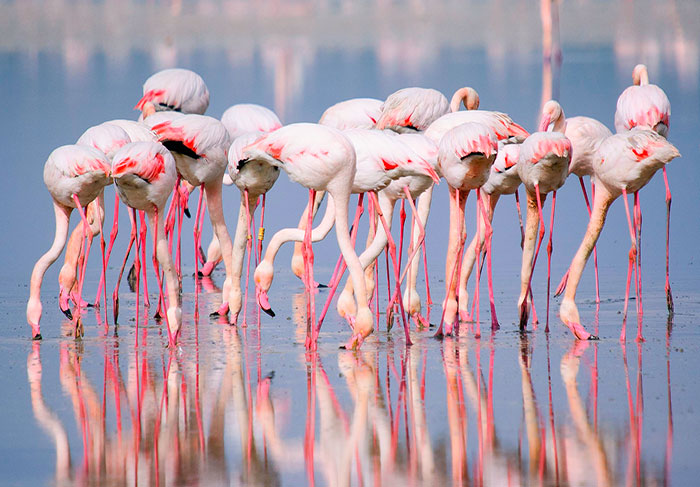
The Fuente de Piedra Lagoon is famous, above all, for being one of the main breeding grounds for the greater flamingo (Phoenicopterus roseus) in the Iberian Peninsula. Each year, thousands of these elegant migratory birds choose the lagoon as their nesting site, creating a natural spectacle that attracts birdwatchers and tourists from all over the world.
Flamingos: The Kings of the Lagoon
The greater flamingo is undoubtedly the star of the lagoon. These migratory birds usually arrive at the lagoon at the end of winter, between February and March, attracted by the optimal conditions they find for breeding. The high concentration of salt in the water favours the development of Artemia salina, a small crustacean that constitutes the main food source for flamingos. This food is crucial for flamingos to be able to accumulate the necessary energy for breeding.
In spring, flamingos begin their nesting process, building their nests in the shallowest areas of the lagoon. These nests, made of mud, are small raised platforms where they lay their eggs. The breeding cycle culminates in summer, when the chicks are born and begin to grow, guided by their parents. In late August and September, as temperatures begin to drop and the water starts to evaporate, flamingos begin their migration north to Africa and other parts of Europe, leaving the lagoon until the following annual cycle.
Other Bird Species
Although flamingos are the most prominent, the Fuente de Piedra Lagoon is home to a great diversity of aquatic and migratory birds. Throughout the year, different species find refuge in this wetland, taking advantage of the different phases of the lagoon's water cycle.
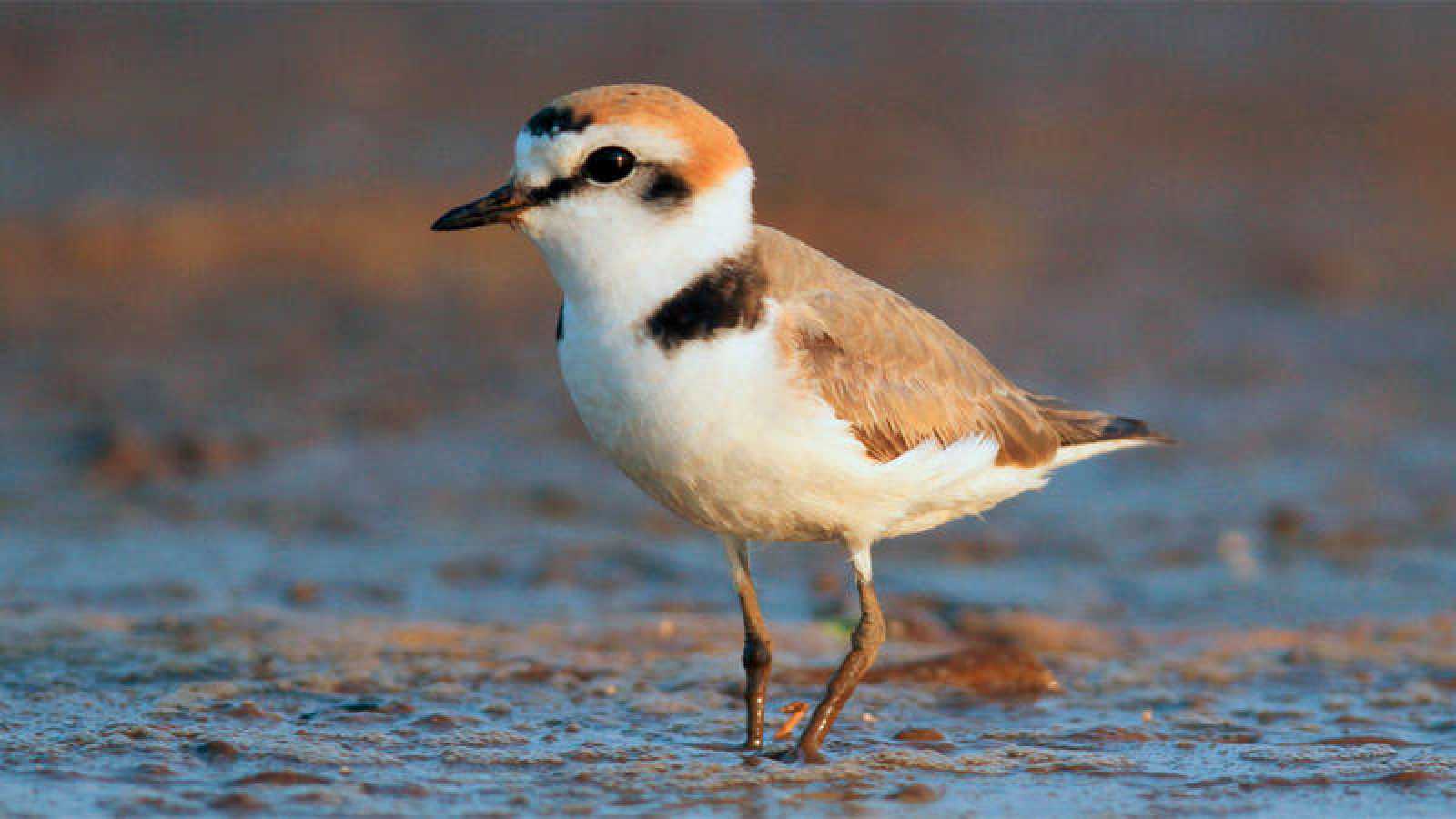
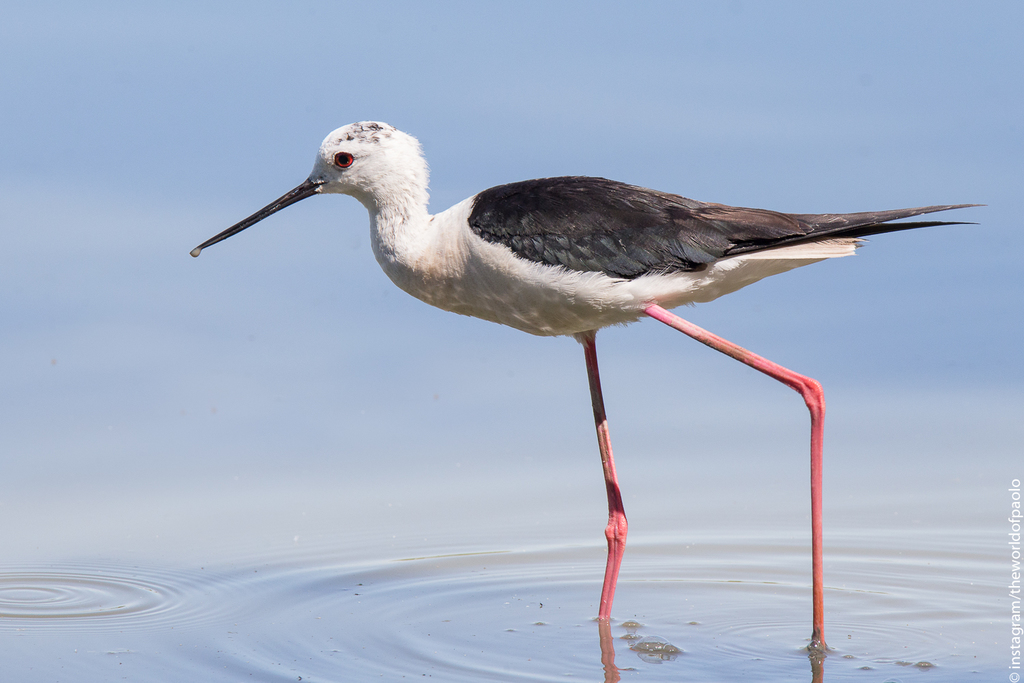
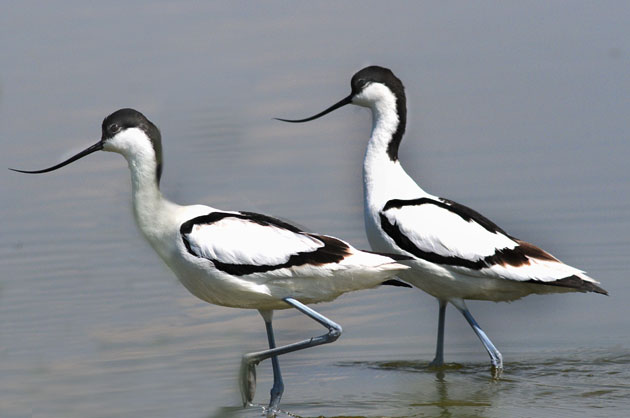
- Spring (March to June): During this season, in addition to flamingos, species such as the common stilt (Himantopus himantopus), the pied avocet (Recurvirostra avosetta), and the Kentish plover (Charadrius alexandrinus) can be observed. These birds also use the lagoon for breeding, constructing their nests in areas with low vegetation.
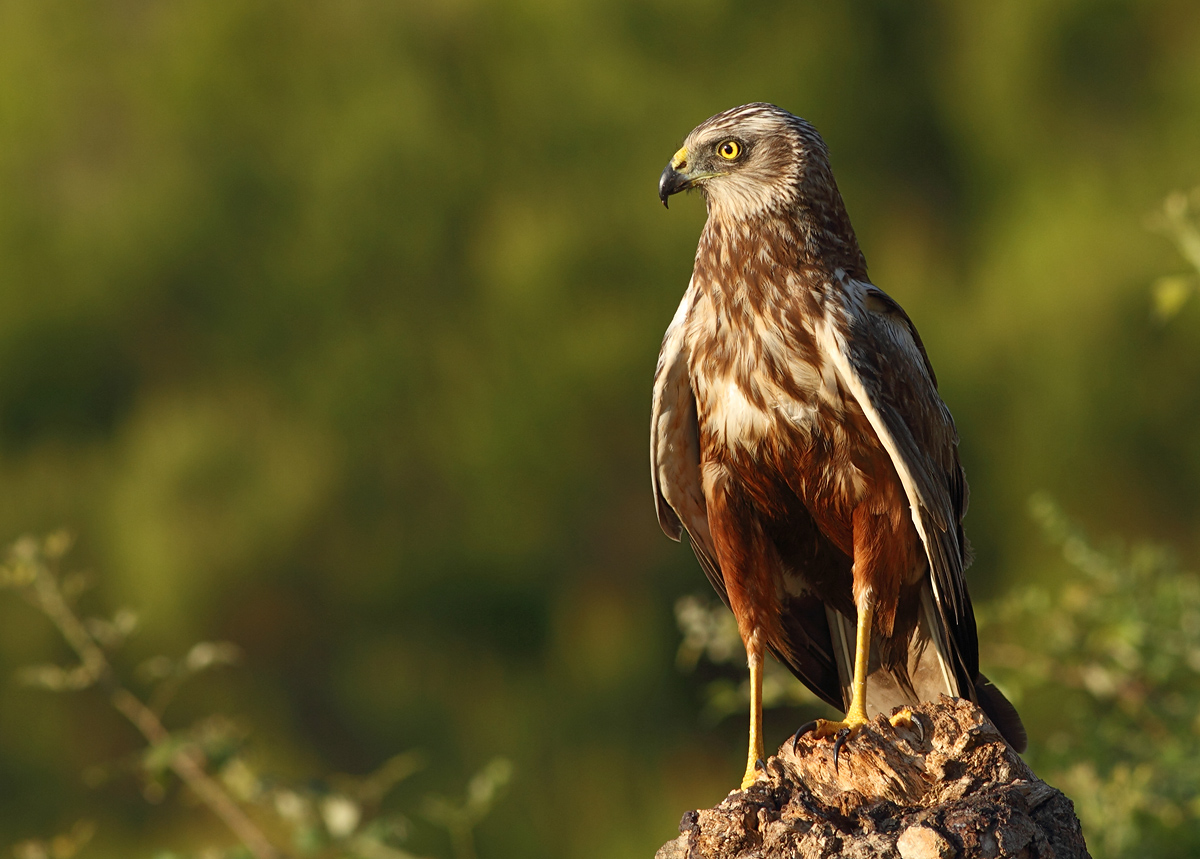
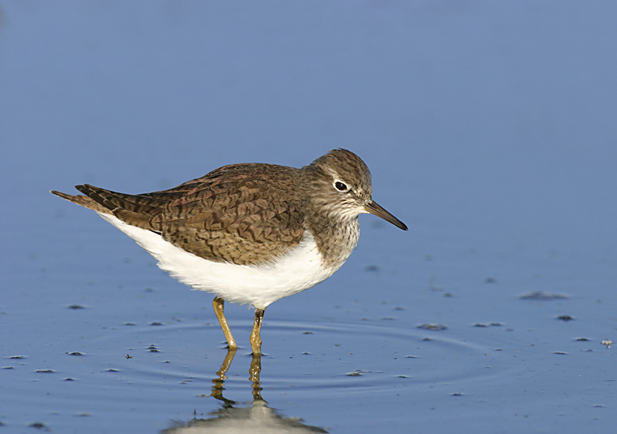
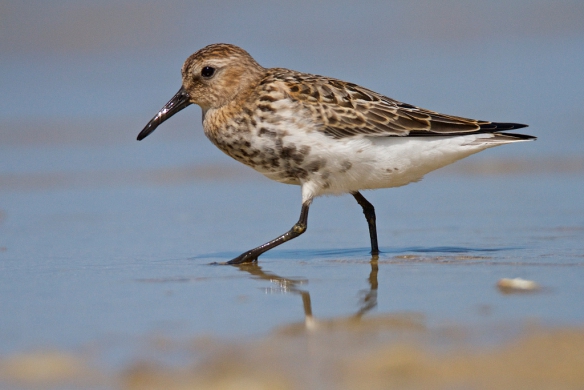
- Summer (July to September): As the lagoon partially dries, it becomes an ideal area for waders, such as the dunlin (Calidris alpina) and the common sandpiper (Actitis hypoleucos), which feed in the muddy areas. At this time, it is also possible to observe the majestic flight of birds of prey such as the marsh harrier (Circus aeruginosus), which patrols the lagoon in search of prey.
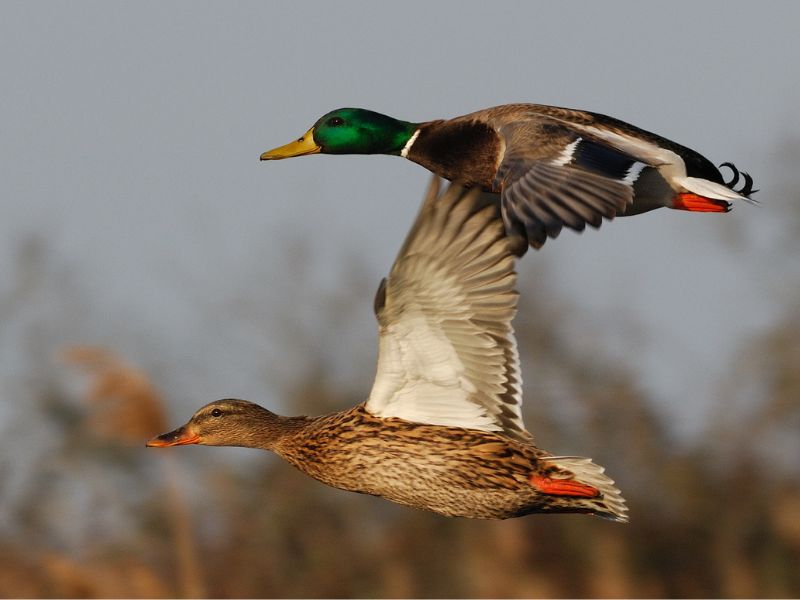
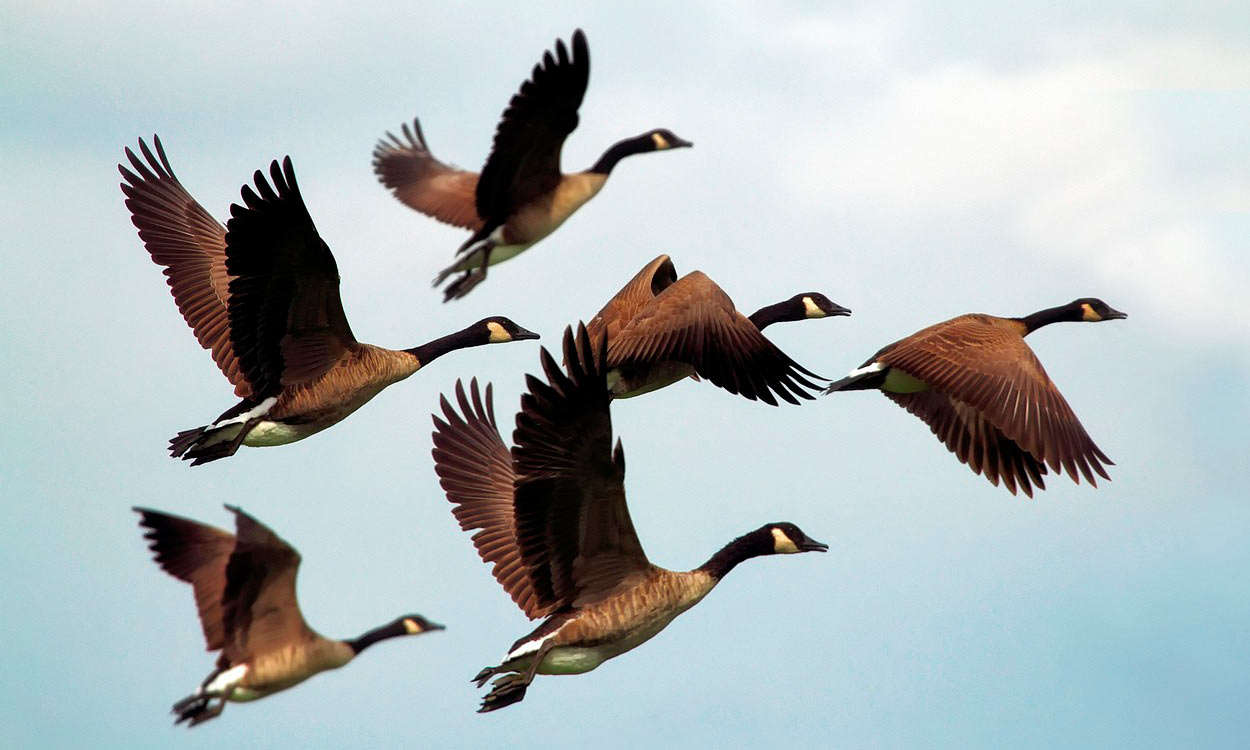
- Autumn (October to December): This season, the lagoon begins to receive the first rains, and with them arrive species such as geese (Anser anser) and ducks like the mallard (Anas platyrhynchos) and the common teal (Anas crecca). These birds are preparing to spend the winter in the lagoon, taking advantage of the resources offered by the emerging water.
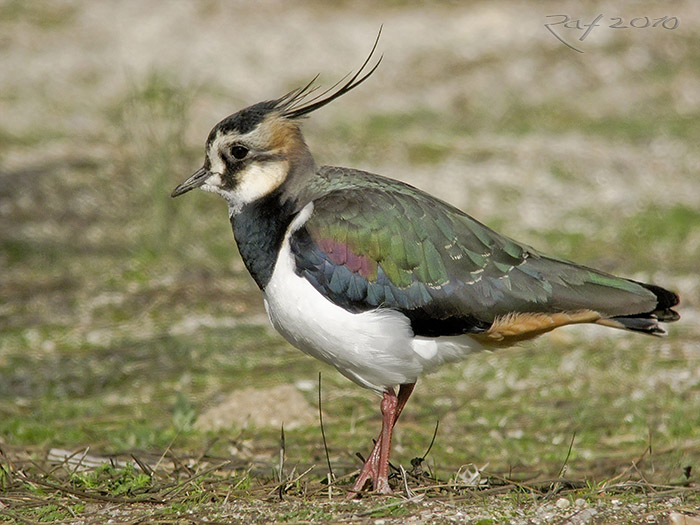
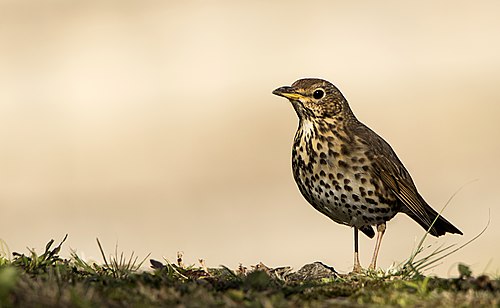
- Winter (January to March): During the colder months, the lagoon becomes a refuge for a wide variety of wintering birds, including the lapwing (Vanellus vanellus) and the song thrush (Turdus philomelos). Furthermore, it is during winter that the flamingos begin to return, setting the stage for the next breeding season.
Responsible Conservation and Tourism
The Fuente de Piedra Lagoon is not only a paradise for birds but also a site of interest for nature tourism. However, given the fragility of its ecosystem, it is vital that visitors respect the established rules for its conservation.
The Regional Government of Andalusia has implemented a series of measures to minimise human impact on the lagoon, including the creation of signposted trails and viewpoints from which birds can be observed without disturbing them. In addition, the José Antonio Valverde Visitor Centre offers detailed information about the lagoon and its inhabitants, as well as educational activities to promote environmental awareness.
The conservation of the Fuente de Piedra Lagoon is an ongoing effort that requires the collaboration of everyone, from the authorities to visitors. Only through education and respect can we ensure that this wonderful natural sanctuary remains a safe haven for migratory birds and a natural treasure for future generations.
Conclusion
The Fuente de Piedra Lagoon is an exceptional example of how nature and history can converge to create a space of enormous ecological and cultural value. Its saline waters, which once served as a source of salt for humankind, today nourish a vibrant ecosystem where thousands of birds find refuge and sustenance. From flamingos to smaller species, the lagoon's birdlife offers a spectacle that changes with the seasons, inviting visitors to connect with nature and appreciate the importance of conserving these unique spaces.
Visiting the Fuente de Piedra Lagoon is much more than a simple nature walk; it's an experience that reminds us of the beauty and fragility of our environment, and the responsibility we all share in its preservation.


