

Certainly, here's a blog post of 1000 words about the flora and crops in the Axarquía region of Málaga, ideal for an informative and engaging approach for tourists and those interested in agriculture and nature:
The flora of Axarquía: a mosaic of life in the heart of Málaga
The Axarquía region, located to the east of the province of Málaga, is one of the most fertile, varied and surprising regions in southern Spain. Its peculiar orography, which combines mountainous areas, valleys and coastlines, and its Mediterranean climate with subtropical influence, have turned this Andalusian corner into a true paradise for flora. Here, the land not only nourishes, but also decorates, perfumes and brings to life a landscape that changes with the seasons and captivates those who visit it.
A privileged environment for plant life
La Axarquía is characterised by an impressive botanical biodiversity. From the coastal areas such as Torre del Mar or Nerja to the white inland villages like Frigiliana, Comares or Cómpeta, visitors can observe a constant transition between native vegetation and traditional crops.
The temperate climate throughout the year, with mild winters and hot summers, along with mountainous terrain and mineral-rich soils, have favoured both the growth of wild species and the development of very specific crops not found elsewhere in Europe.
Wild Flora: Mediterranean scrubland and endemic vegetation
In the ranges of Tejeda, Almijara and Alhama, which border the region, low Mediterranean scrub predominates. Species such as lentisk, rosemary, thyme, sticky rockrose or esparto grass grow freely, accompanied by oak and cork oak forests in higher altitude areas. In spring, the countryside fills with wildflowers: poppies, lavender, daisies and wild orchids colour the landscape.
Also noteworthy are endemic plants, such as the Málaga sea lavender (Limonium malacitanum), which only grows in this area, or the mountain daffodil (Narcissus bujei), both examples of the territory's ecological richness.
Iconic trees: olive trees, almond trees and carob trees
Olive trees are perhaps the most iconic tree in the Axarquía. They cover vast expanses of land and have been part of the local landscape and economy for centuries. In winter and early spring, their fruit is harvested, from which one of the most prized extra virgin olive oils in Andalusia is extracted.
The almond trees, meanwhile, offer a visual spectacle between January and February, when they bloom en masse and dye the fields white and pink. Although their fruit does not carry as much economic weight as others, their presence beautifies the rural landscapes and marks the start of the annual agricultural calendar.
Another very common tree is the carob, which is drought-resistant and typical of drier areas. Its fruit, the carob bean, has regained interest due to its nutritional value and its use in baking and healthy eating.
The crops of Axarquía: a natural larder
Axarquía is not only a land of natural beauty, but also of agricultural production. Agricultural activity has historically been the economic engine of the region, and today many of its traditional crops coexist with others that are more modern and exotic.
Grape cultivation: Malaga raisins
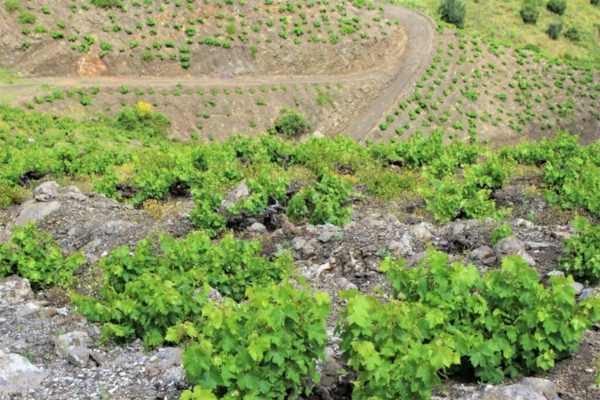
One of the most emblematic crops is the Moscatel grape, especially in areas such as El Borge, Almáchar or Moclinejo. This resistant and sweet variety is cultivated on steep terraces and is harvested between August and September. Part of its production is destined for wine, but the most characteristic use is for the artisanal production of raisins, which have obtained the Denomination of Origin “Pasas de Málaga”. This traditional product is sun-dried in the so-called “paseros” and holds great cultural and gastronomic value.
Tropical Gold: Avocados and Mangoes
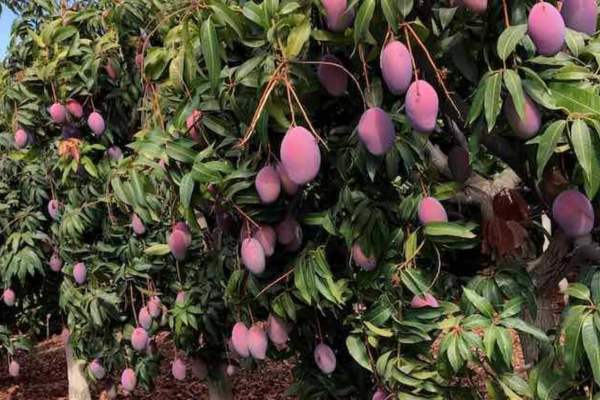
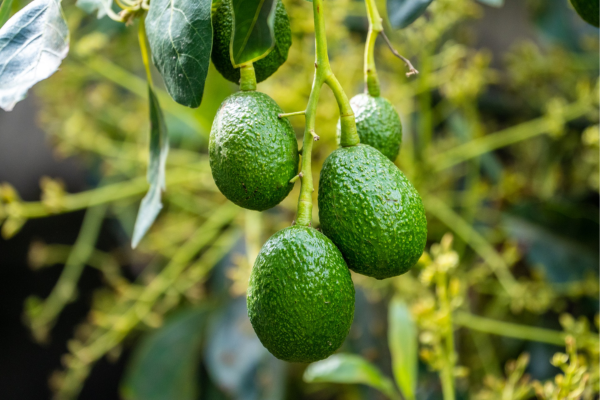
Thanks to its privileged climate, Axarquía has become the largest producer of avocados and mangoes in Europe. These subtropical crops have found the perfect environment in this land. The avocado is normally planted in spring (April-May) and harvested between October and March. The mango, meanwhile, is planted in spring and harvested from August to October.
Both require drip irrigation and specific care, but they bring great economic value to the region and have positioned Axarquía as a European benchmark in subtropical agriculture.
Horticultural crops: from field to market
In the plains of Vélez-Málaga and other low-lying areas, a wide variety of vegetables are cultivated: tomatoes, courgettes, aubergines, peppers, and lettuces, which are planted at different times of the year to ensure continuous harvests. Many farmers rotate crops to maintain soil fertility. Sowing usually begins in February-March and continues until autumn, depending on the product.
Legumes such as chickpeas and broad beans are also grown, as well as typical dry-farming products like onions and garlic.
Citrus and sweet fruits
Orange and lemon trees are another classic of the region. They are planted in spring and harvested from late autumn to spring. The most common varieties are the Navel orange and the Fino lemon. Furthermore, in some areas, custard apples, papayas, and persimmons are also grown, further expanding the range of fruits on offer.
The agricultural calendar in the Axarquía
For farmers in the Axarquía region, the calendar is as important as the weather. Agricultural tasks are dictated by the seasons:
- Winter (January-March)Almond and citrus blossom, olive harvesting, and planning for horticultural sowings.
- Spring (April-June)Sowing of avocados, mangoes, tomatoes, peppers and other vegetables. Vine growth.
- Summer (July-September)Mango, tomato, melon, and watermelon harvesting. Grape harvest begins for raisins and wine.
- Autumn (October-December)Harvesting avocados and citrus fruits. Preparing the soil for the next cycle.
Each era has its work and its fruits, and the rhythm of rural life revolves around these cycles.
A natural heritage site that must be preserved
The plant wealth of Axarquía not only has economic or aesthetic value, it is also part of the natural and cultural heritage of the area. Many of these species and crops are part of centuries-old traditions and the identity of the Axarquian villages.
However, climate change, urban pressure, and intensive water resource use are current challenges that require sustainable land management. Initiatives such as organic farming, responsible rural tourism, and environmental education are key to ensuring that this unique biodiversity endures for future generations.
Conclusion
Axarquía in Málaga is much more than a sun and beach destination: it is a living land that blossoms in spring, bears fruit in summer, and transforms with each season. Its flora, wild and cultivated, is a reflection of its history, its climate, and its people. Getting to know it means better understanding this privileged corner of Andalusia, where nature and culture go hand in hand in every nook, every field, and every flower.


