
History and Tradition
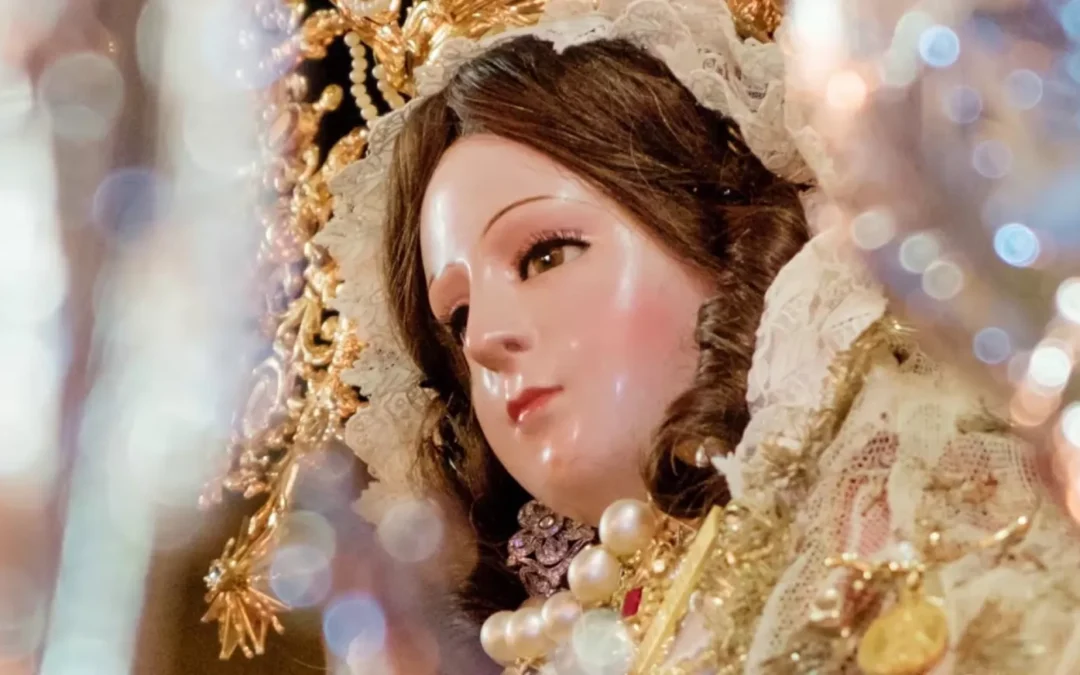
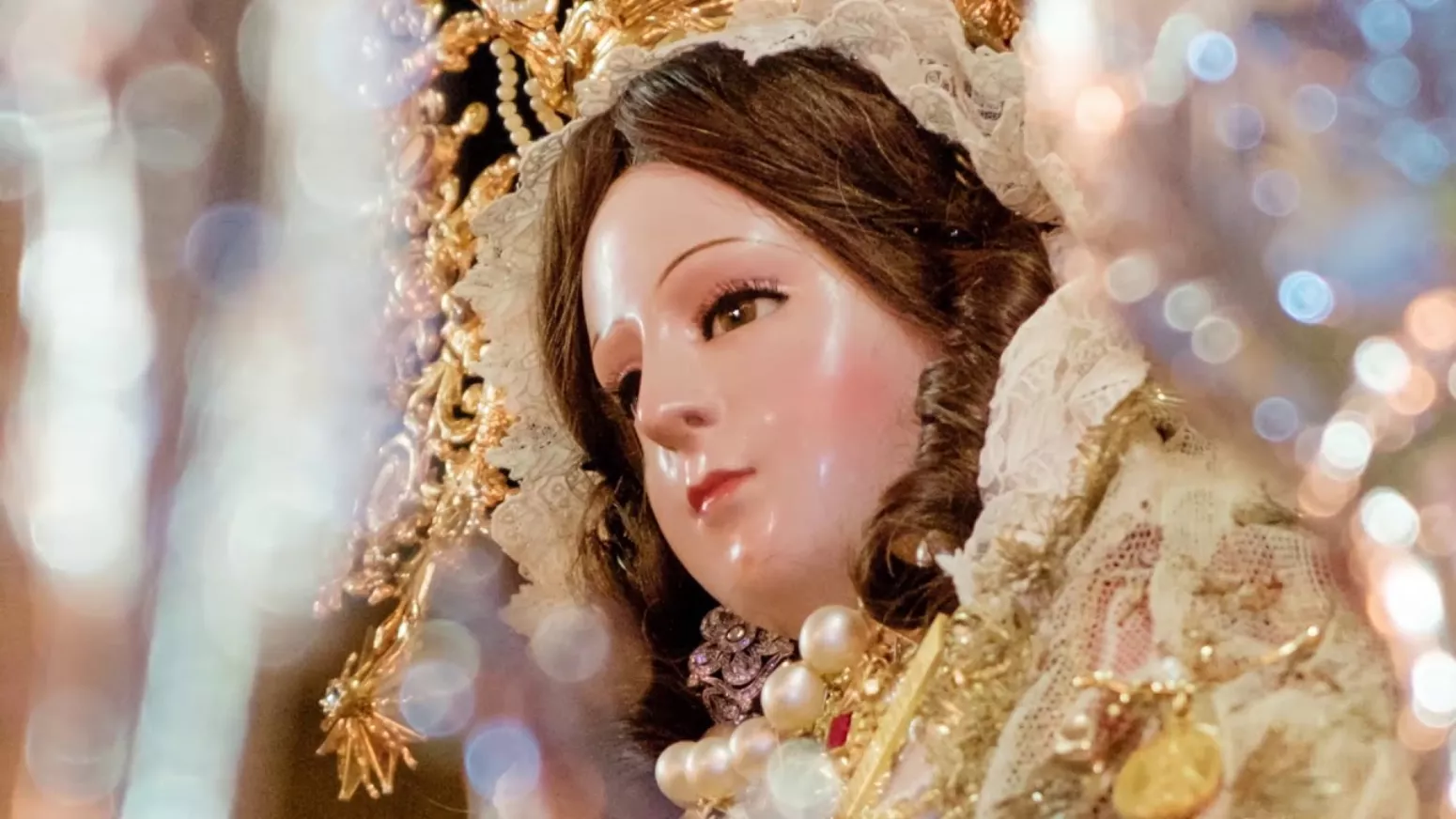
La Bajada de la Virgen de la Fuensanta es una de las festividades más emblemáticas de Pizarra, un pintoresco municipio situado en el corazón del Valle del Guadalhorce, en la provincia de Málaga. Esta celebración, que tiene lugar cada tres años, reúne a la comunidad en una muestra de fe, devoción y tradición. En este post, exploraremos la historia, el significado y las particularidades que hacen de la Bajada de la Virgen de la Fuensanta un evento tan especial.
Historia de la Bajada de la Virgen de la Fuensanta
Orígenes y Devoción
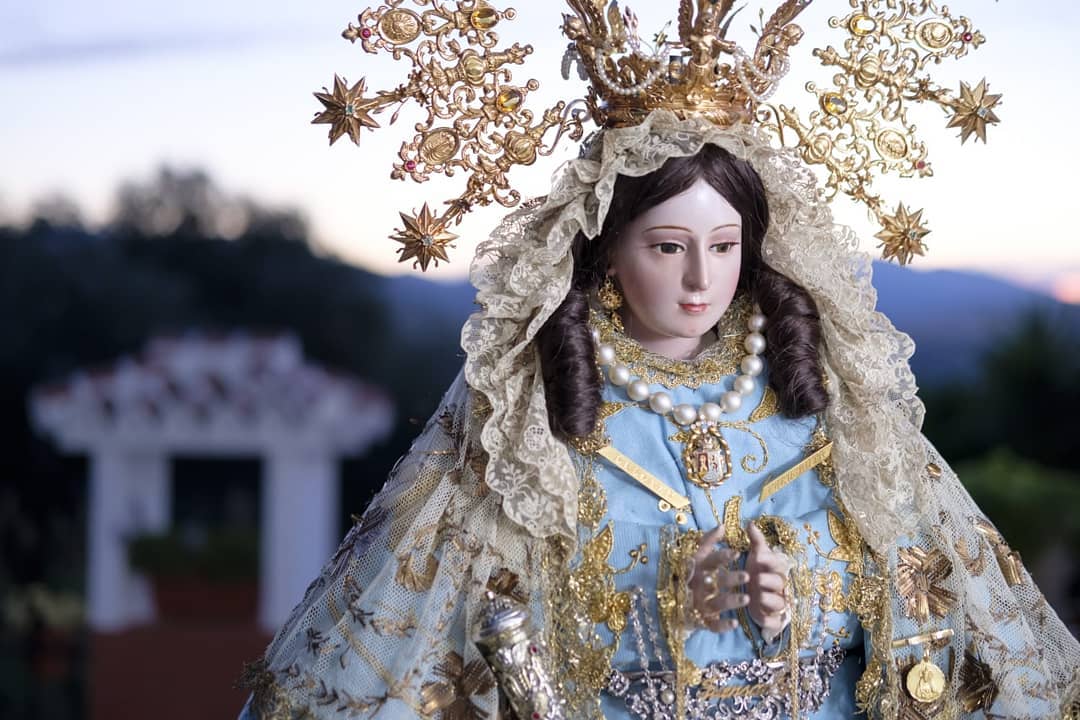
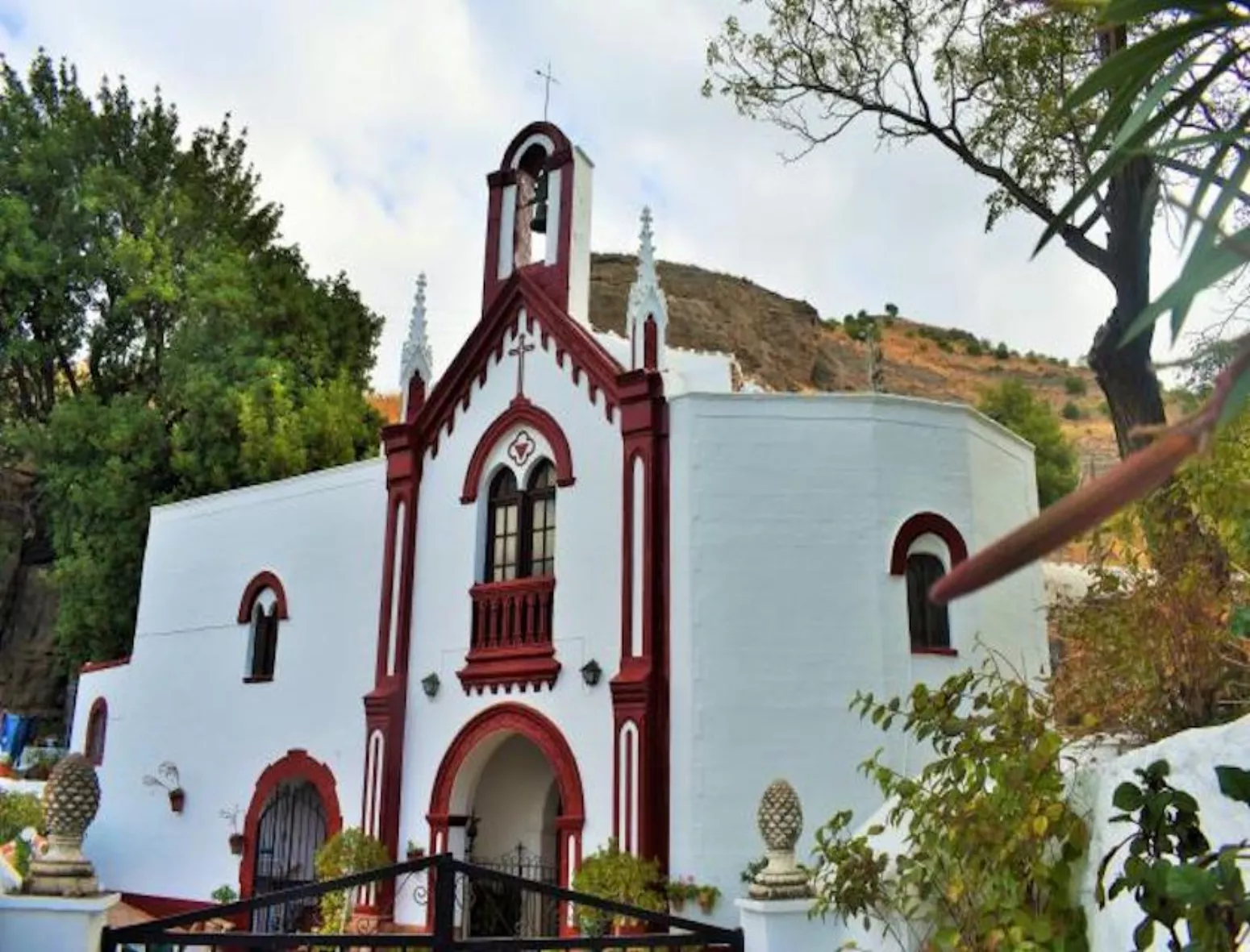
La devoción a la Virgen de la Fuensanta en Pizarra se remonta a siglos atrás, cuando la imagen de la Virgen fue encontrada en una fuente o manantial (de ahí su nombre, «Fuensanta»). Según la tradición, un pastor descubrió la imagen en una cueva cercana a la actual Ermita de la Fuensanta. La aparición de la Virgen se asoció rápidamente con milagros y hechos prodigiosos, lo que fomentó su veneración entre los habitantes de la región.
La ermita, situada en un hermoso paraje natural, se construyó para albergar la imagen de la Virgen y se convirtió en un lugar de peregrinación y oración. Con el tiempo, la festividad de la Bajada de la Virgen de la Fuensanta se institucionalizó, consolidándose como uno de los eventos religiosos y culturales más importantes de Pizarra.
La Tradición de la Bajada
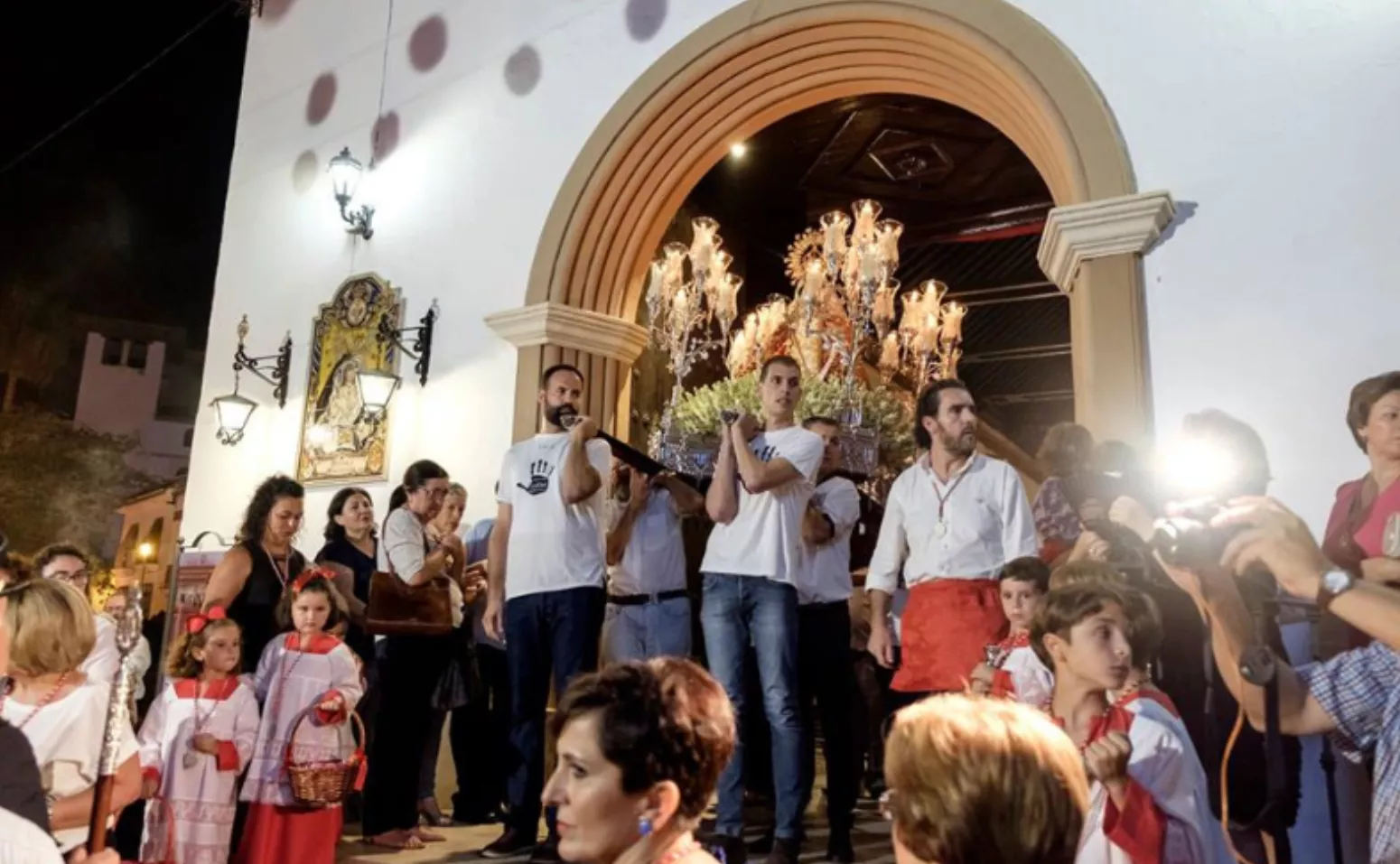
La tradición de la Bajada de la Virgen se inicia con la imagen de la Virgen de la Fuensanta siendo trasladada desde su ermita hasta la iglesia parroquial de San Pedro Apóstol en el centro del pueblo. Este traslado simboliza el acercamiento de la Virgen a sus devotos, permitiéndoles rendirle homenaje y solicitar su intercesión.
La festividad se celebra cada tres años, en el mes de agosto, y dura aproximadamente una semana. Durante este periodo, la Virgen permanece en la iglesia parroquial, donde se llevan a cabo diversas actividades religiosas y festivas.
El Proceso de la Bajada
Preparativos
Los preparativos para la Bajada de la Virgen comienzan varios meses antes del evento. La Hermandad de la Virgen de la Fuensanta, junto con numerosos voluntarios, se encarga de organizar todos los detalles, desde la limpieza y decoración de la ermita y la iglesia, hasta la planificación de las actividades religiosas y culturales.
La Bajada
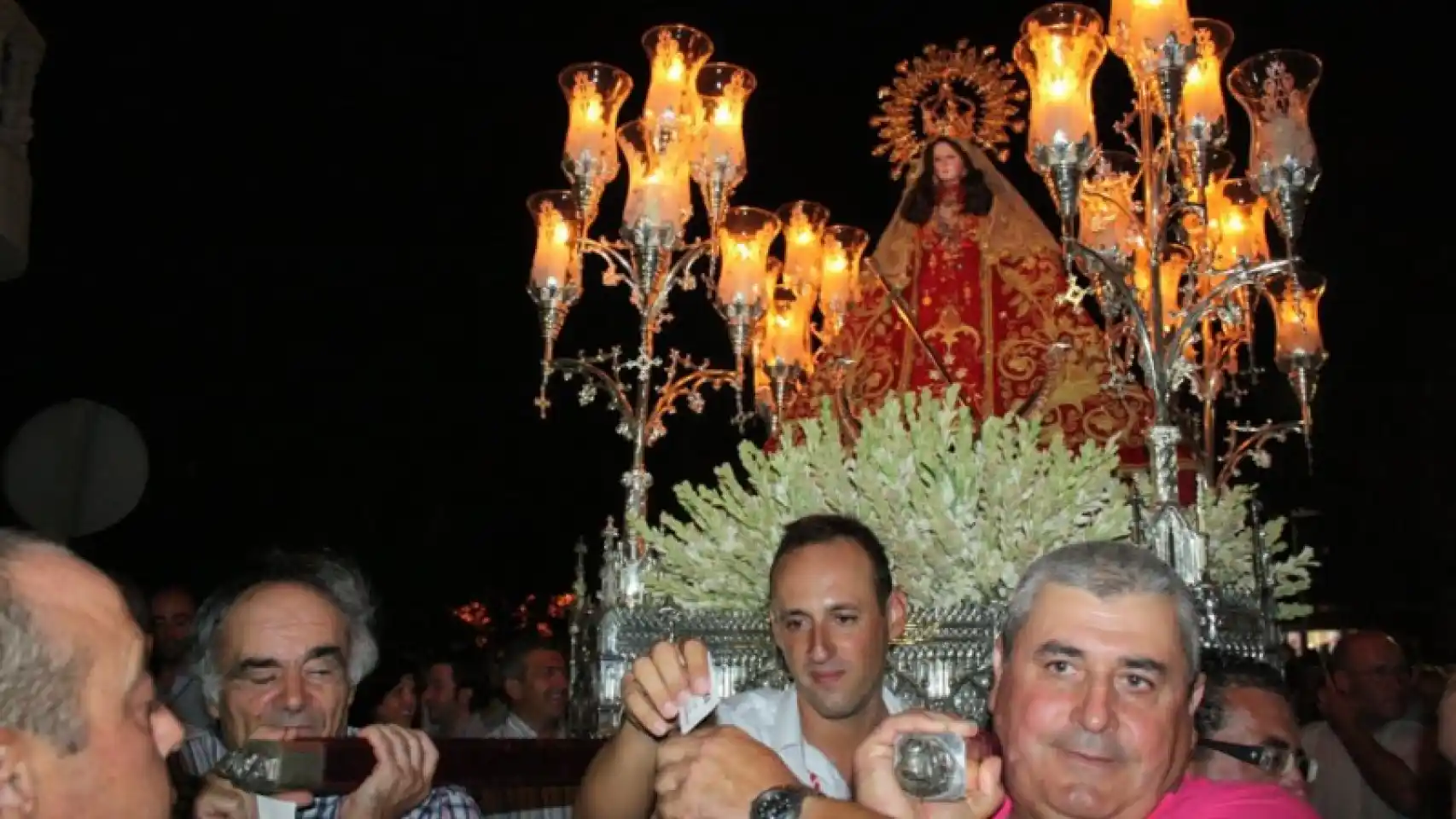
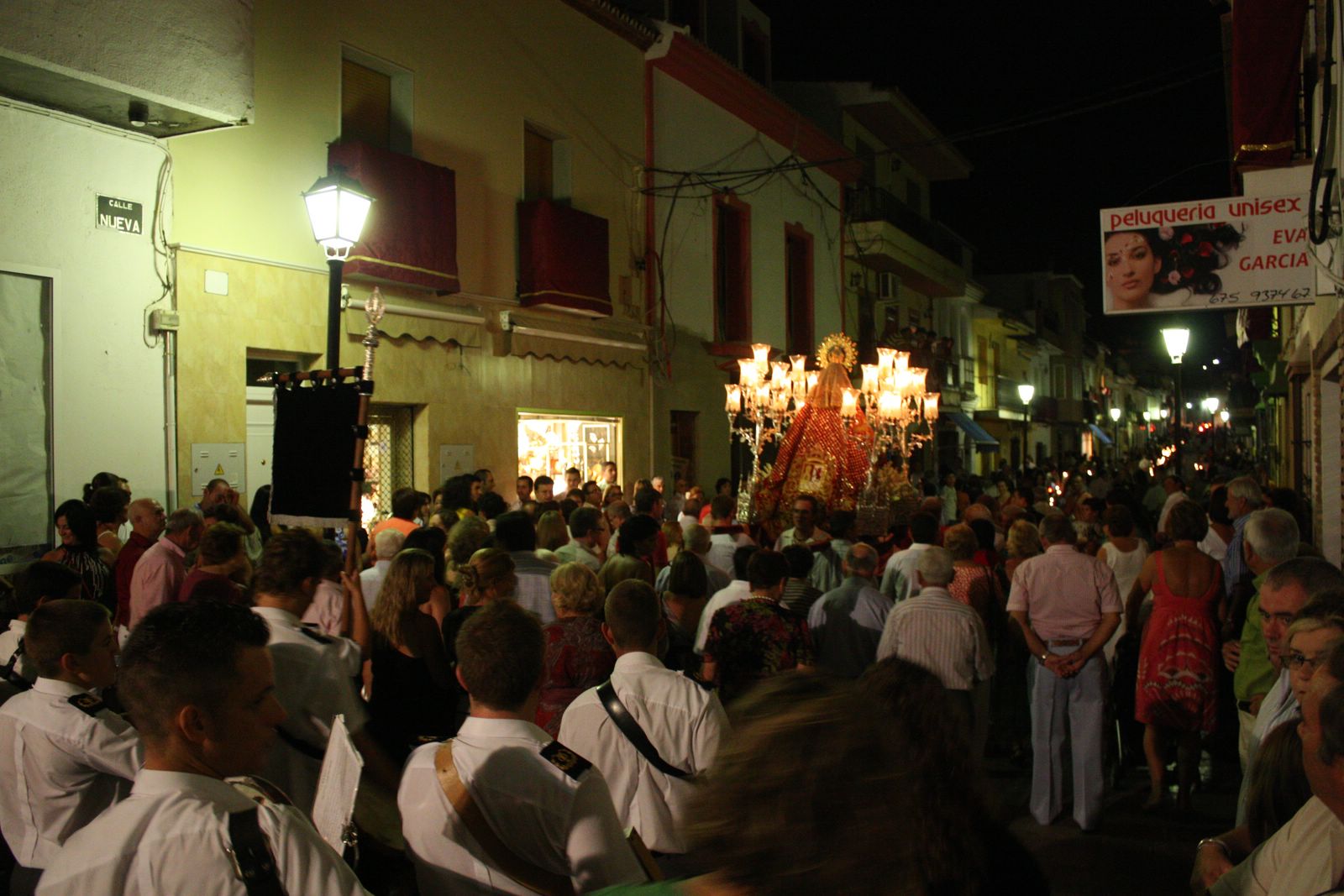
El día de la Bajada es, sin duda, el momento más esperado. Los devotos se congregan en la ermita desde tempranas horas de la mañana. Después de una misa solemne, se inicia la procesión. La imagen de la Virgen, adornada con flores y luces, es llevada en un trono que es transportado a hombros por los fieles.
El recorrido desde la ermita hasta la iglesia es un evento lleno de emoción y devoción. Las calles de Pizarra se engalanan con banderas, flores y colgaduras. La procesión, acompañada por música de bandas locales y cánticos religiosos, avanza lentamente, permitiendo que los asistentes rindan homenaje a la Virgen a su paso.
Actos en la Iglesia Parroquial
Una vez que la imagen de la Virgen llega a la iglesia parroquial, se celebran una serie de actos litúrgicos en su honor. Misas, novenas y rosarios se suceden durante los días que la Virgen permanece en el pueblo. Estas ceremonias religiosas son una oportunidad para que los devotos expresen su fe y devoción, y para que la comunidad se una en oración.
Además de los actos religiosos, se organizan diversas actividades culturales y festivas, como conciertos, verbenas, concursos y exposiciones, que enriquecen la celebración y fomentan el espíritu comunitario.
La Subida de la Virgen
Al término de la semana de celebraciones, llega el momento de la Subida de la Virgen, en la que la imagen es llevada de vuelta a su ermita. Este evento, aunque solemne, también está cargado de alegría y gratitud. Los devotos acompañan a la Virgen en su regreso, despidiéndola con fervor hasta la próxima Bajada.
La Subida es, al igual que la Bajada, una procesión multitudinaria. La imagen es llevada a hombros por los fieles, quienes recorren el camino de regreso con la misma devoción y entusiasmo. Una vez en la ermita, se celebra una misa de acción de gracias y se despide a la Virgen hasta la próxima ocasión.
Significado y Peculiaridades
Fe y Comunidad
La Bajada de la Virgen de la Fuensanta no es solo una expresión de fe religiosa, sino también un evento que fortalece los lazos comunitarios. La participación activa de los habitantes de Pizarra en la organización y celebración de la festividad es un testimonio del profundo arraigo de esta tradición en la identidad colectiva del pueblo.
La Hermandad de la Virgen de la Fuensanta
La Hermandad de la Virgen de la Fuensanta desempeña un papel fundamental en la organización de la Bajada. Fundada con el objetivo de promover y mantener la devoción a la Virgen, esta hermandad se encarga de todos los aspectos relacionados con la festividad, desde los preparativos hasta los actos litúrgicos y festivos.
La Dimensión Cultural
Además de su dimensión religiosa, la Bajada de la Virgen de la Fuensanta tiene un importante componente cultural. Las actividades que se desarrollan durante la semana de celebración incluyen muestras de folclore local, gastronomía típica y artesanía, lo que permite a los visitantes y a los propios habitantes de Pizarra disfrutar y valorar las riquezas culturales de la región.
La Naturaleza y el Entorno
La ermita de la Fuensanta está situada en un entorno natural de gran belleza, rodeada de montañas y vegetación. Este escenario añade un elemento especial a la festividad, ya que los actos religiosos y las procesiones se llevan a cabo en un marco paisajístico que invita a la reflexión y la contemplación.
Conclusion
La Bajada de la Virgen de la Fuensanta en Pizarra es una celebración que combina fe, tradición y cultura en un evento único. A través de los siglos, esta festividad ha mantenido viva la devoción a la Virgen y ha fortalecido los lazos de la comunidad. Para los habitantes de Pizarra, y para quienes tienen la oportunidad de participar en ella, la Bajada es una manifestación de su identidad y un momento de profundo significado espiritual y cultural.
Esta festividad no solo honra a la Virgen de la Fuensanta, sino que también celebra la riqueza histórica y cultural de Pizarra, convirtiéndose en un evento que todos, creyentes y no creyentes, pueden apreciar y disfrutar.


