
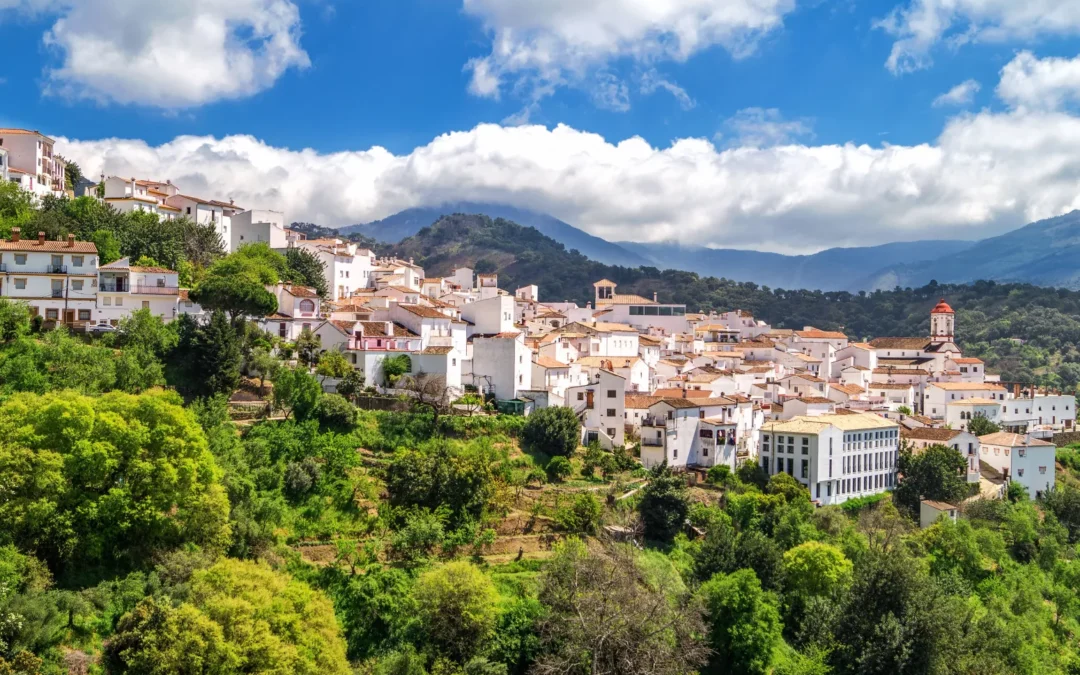
Genalguacil: The Museum-Village of Málaga
In the very heart of the Genal Valley, in the province of Málaga, lies a place that stands out for its uniqueness and charm: Genalguacil. This small white village, nestled in the Serranía de Ronda, is more than just a simple Andalusian rural settlement; it is a true open-air museum, a space where contemporary art and nature merge to offer a unique experience to its visitors. In this post, we will explore the history, gastronomy, festivals, and peculiarities that make Genalguacil an essential destination for lovers of art, culture, and tranquillity.
History of Genalguacil
The history of Genalguacil dates back to Muslim times. The origin of its name comes from the Arabic «Genna Alwacir,» which means «Garden of the Vizier.» During Arab rule, this mountain enclave was part of a network of small fortified settlements that protected the valleys and sierras of the region. Following the Reconquista by the Catholic Monarchs in the 15th century, the village became part of the Christian kingdom and retained its Arab structure with steep, labyrinthine streets, characteristic of mountain villages.
Over the centuries, Genalguacil has maintained its rural essence and its connection with agriculture, particularly with the cultivation of chestnut trees, olive trees and the production of honey. However, what truly distinguishes Genalguacil from other villages in the region is its reinvention as a «museum-village», an identity that began to be forged at the end of the 20th century.
Genalguacil: The Museum Village
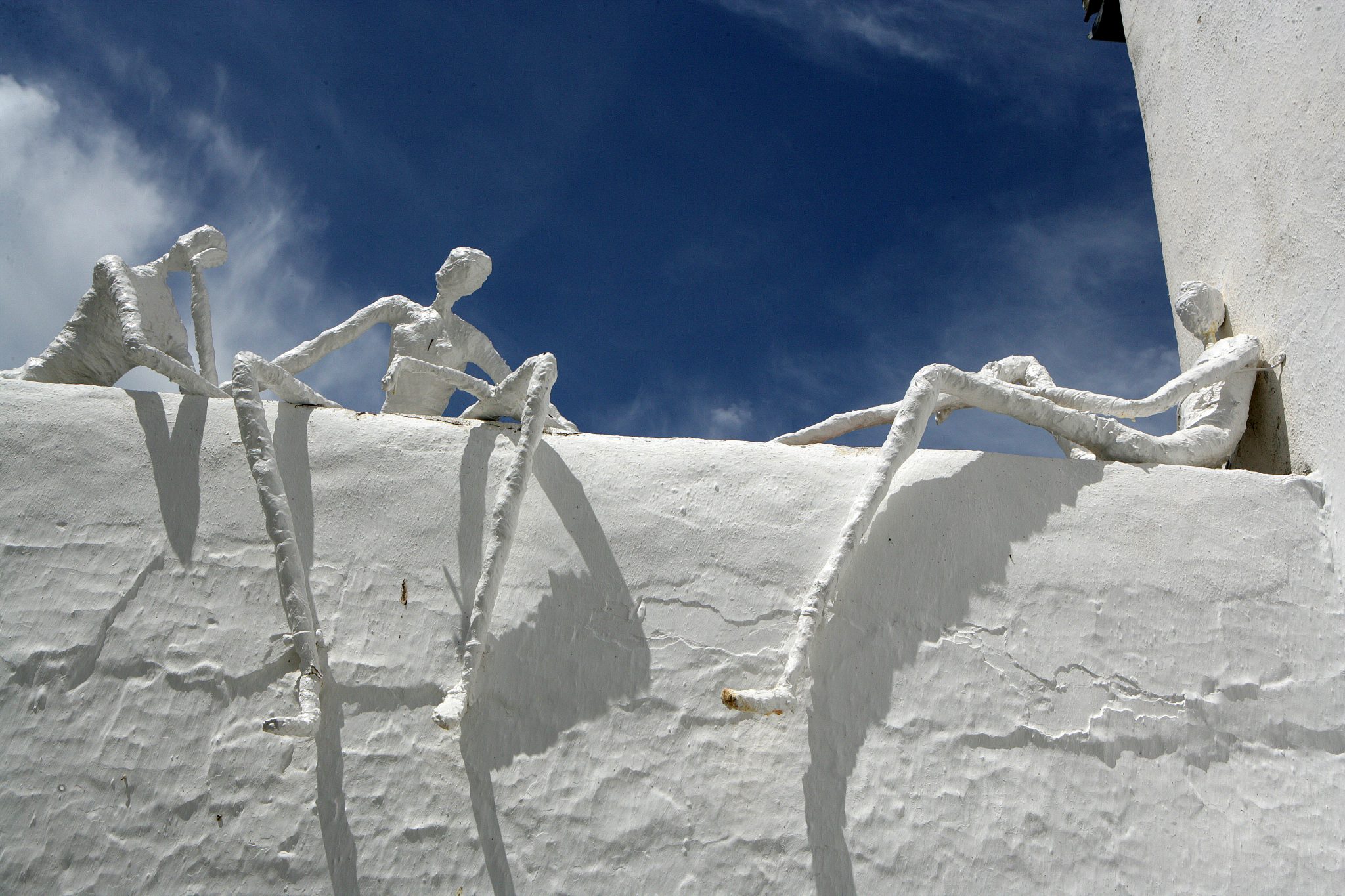
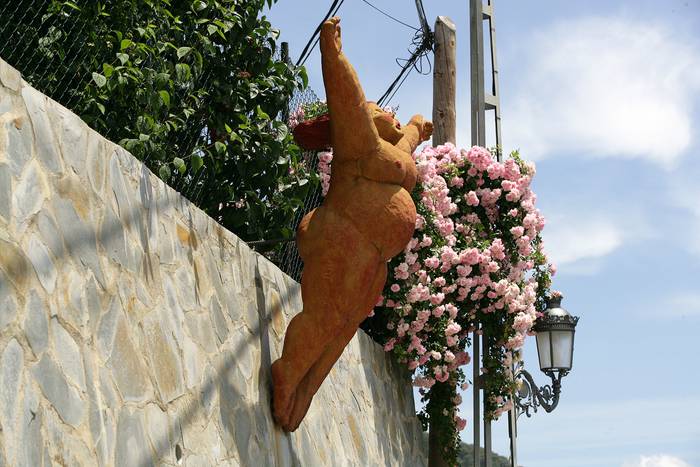
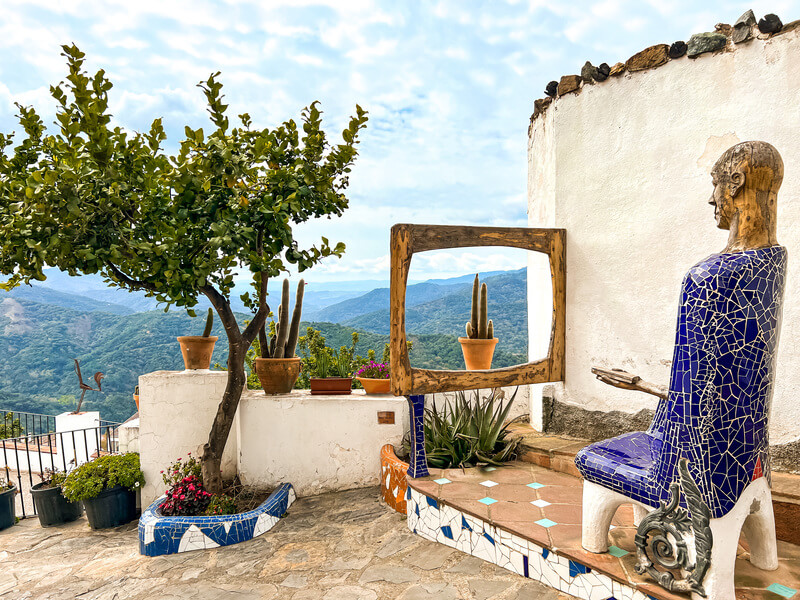
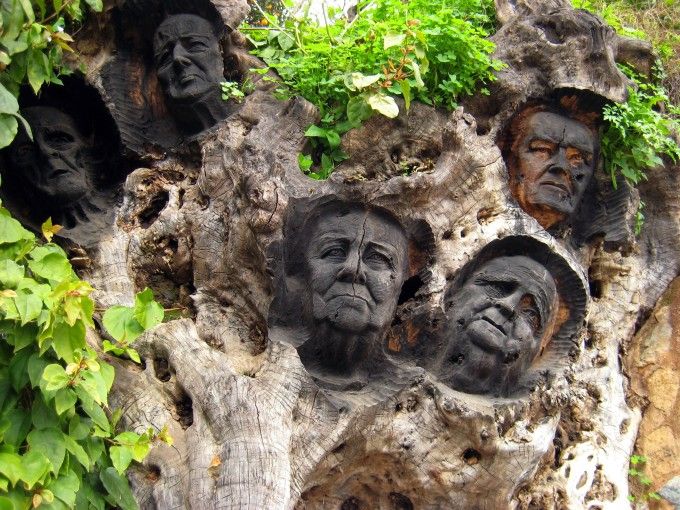
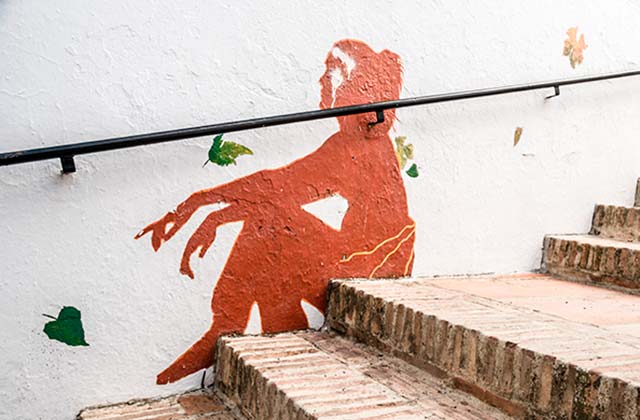
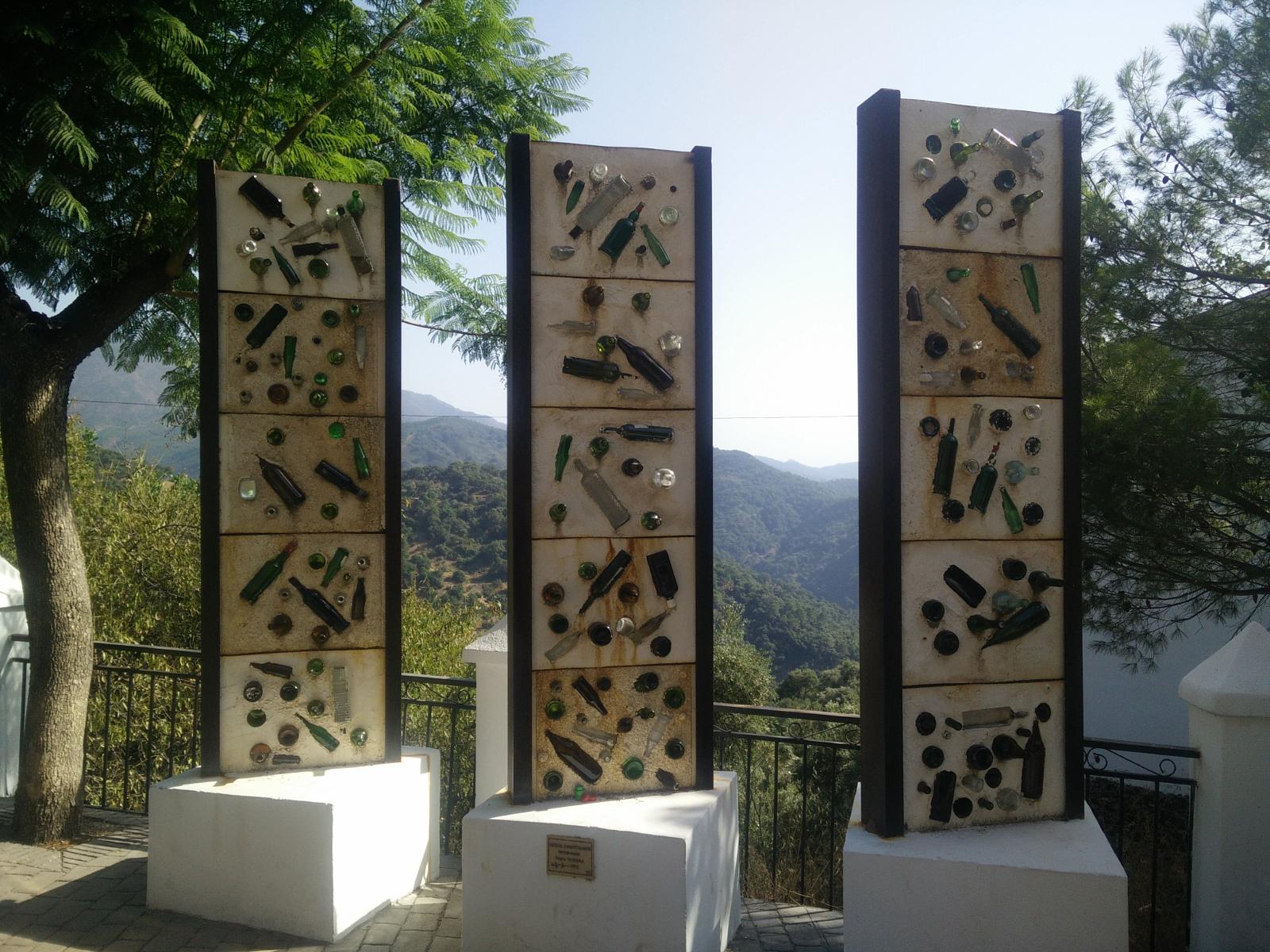
In 1994, the then mayor of Genalguacil, Fernando Centeno, had a visionary idea: to organise art gatherings where artists from all over the world would be invited to live together in the village for a few weeks to create works inspired by the surroundings. Thus, the Genalguacil Art Encounters, a biennial event that has transformed the town into an open-air museum, where streets, squares and nooks are adorned with sculptures, murals and other artworks created during these residencies.
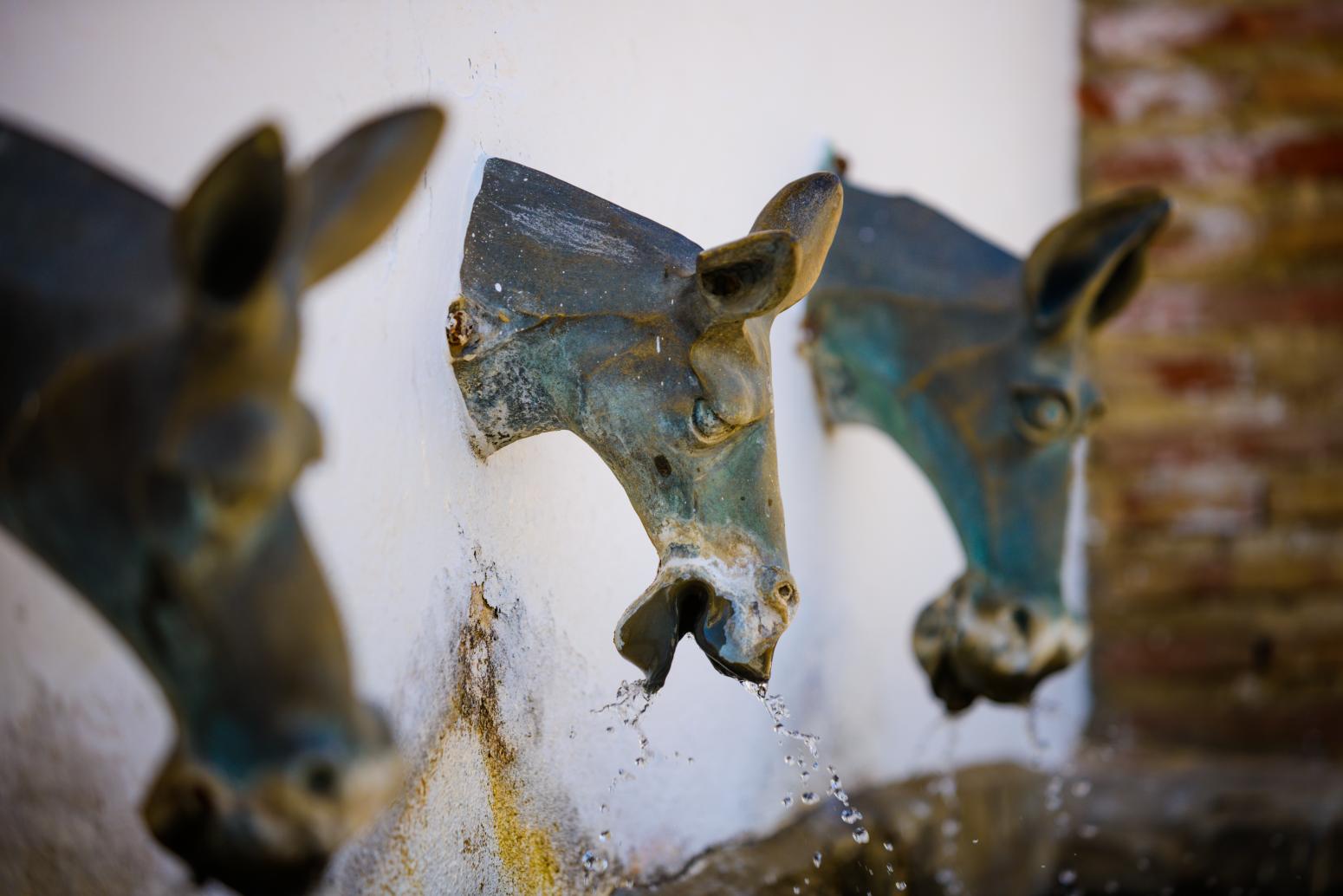
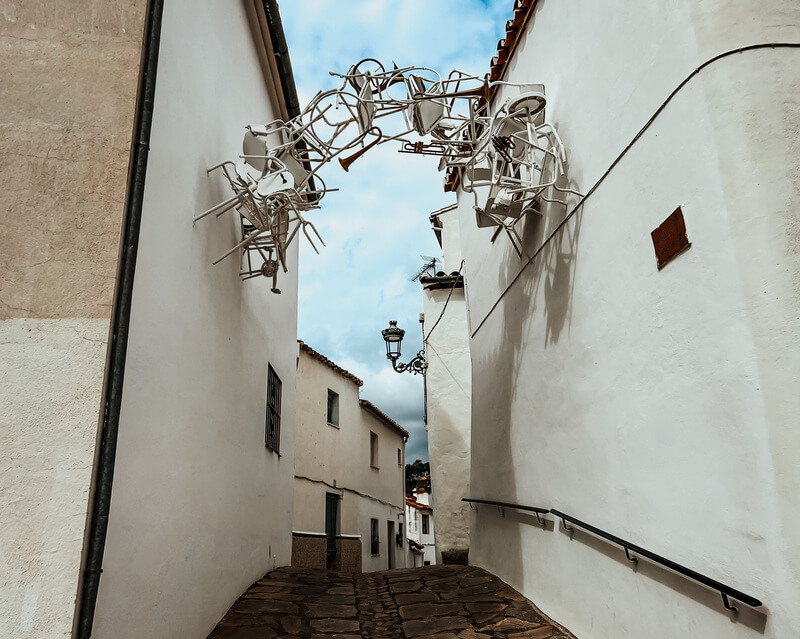
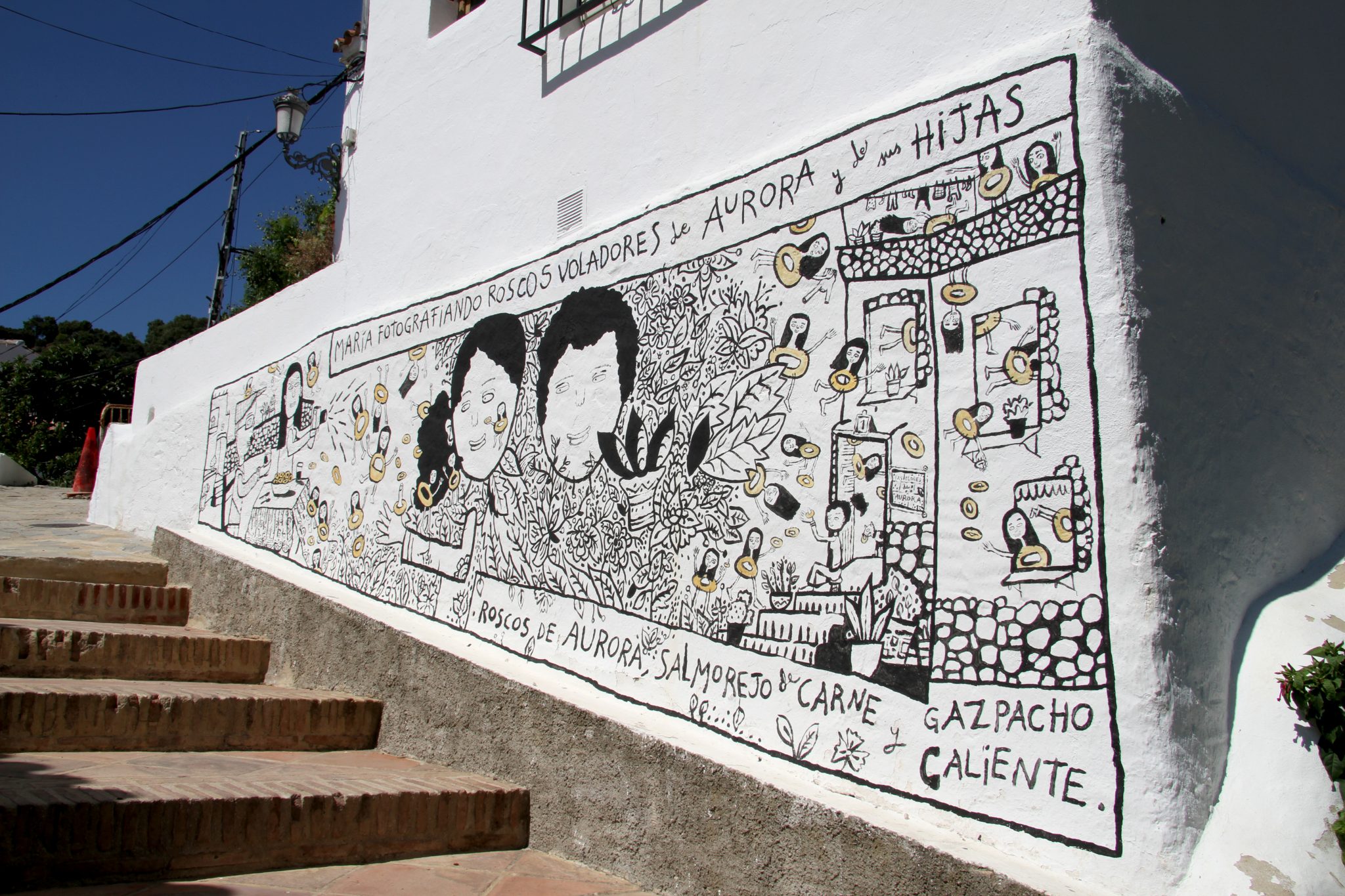
The aim of these encounters is not only to beautify the village, but also to revitalise it, boosting its economy and attracting visitors seeking a different kind of tourism, one that is more cultural and sustainable. Nowadays, walking through Genalguacil is like touring a contemporary art gallery in the heart of nature. The works are integrated into the urban landscape, interacting with the whitewashed facades and green spaces, creating a perfect symbiosis between art and nature.
Among the most outstanding works, we can find abstract sculptures in iron and wood, colourful mural interventions, and other surprising installations that invite reflection and aesthetic enjoyment. These encounters have given new life to Genalguacil, attracting renowned artists and making the village a cultural reference point in the region.
Gastronomy: Flavours of the Earth
Genalguacil's gastronomy is deeply linked to the tradition and indigenous products of the Serranía de Ronda. The local dishes are simple yet full of flavour, made with fresh, locally sourced ingredients, many of which come from family gardens and farms.
One of the most representative products of the area is the Chestnut, used in various stews and desserts. During autumn, the chestnut fields surrounding the village are full of fruit, and it is common to find dishes like Chestnut stew or the delicious ones Chestnut pilongas.
Another essential product in the Genalguacil kitchen is the suckling lamb from the Serranía, cooked on the grill or in stews with aromatic herbs such as thyme and rosemary. We must also mention the homemade cured sausages, such as chorizo and morcilla, made according to traditional recipes.
Among the most typical dishes are also the Tuna soup, a simple soup made with bread, garlic, olive oil and water, and the Migas, a dish of humble but very nutritious origin, generally accompanied by sardines, peppers or chorizo.
For those with a sweet tooth, the desserts do not disappoint. The Olive oil cakes, the Rice with chestnuts and the wine corks These are some of the traditional sweets that can be enjoyed at any time of year, although they take on a special prominence during local festivals.
Festivals and Traditions
Despite its small size, Genalguacil boasts a varied festival calendar rich in traditions that reflect the village's cultural identity.
One of the most prominent celebrations is the Passiontide, which, though small in comparison to big cities, is lived with great devotion by the inhabitants. The processions wind through the cobbled streets, accompanied by saetas and the respectful silence of the faithful.
In August, coinciding with the Art Encounters, are held the Patron Saint Festivals in honour of Saint Peter the Martyr, a festival that combines religious acts with recreational and cultural activities. During these days, the town comes alive with street parties, musical performances, and art exhibitions.
The All Saints' Day is another significant date on Genalguacil's calendar. The residents gather to celebrate the traditional «Toasted Chestnuts», a party where chestnuts are roasted on large bonfires and these autumn fruits are enjoyed in community, accompanied by aniseed and sweet wine.
Peculiarities of Genalguacil
One of Genalguacil's most notable peculiarities is its small population. It barely exceeds 400 residents, which gives it a tranquil and peaceful atmosphere, ideal for those seeking to disconnect from the urban hustle and bustle. However, the village's small size has not prevented it from becoming an international artistic and cultural benchmark.
The commitment of its inhabitants and the town hall to art and culture has turned Genalguacil into an example of how creativity can revitalise a rural environment. The symbiosis between art and nature is evident not only in the streets, but also in the numerous cultural activities organised throughout the year.
In addition to the Art Encounters, Genalguacil has its own Museum of Contemporary Art, which houses a permanent collection with works created in the different editions of the encounters. This space has become a point of reference for lovers of contemporary art and a place to discover new artistic proposals in an unusual setting.
Conclusion
Genalguacil is much more than a typical Andalusian white village. Its history, its privileged natural surroundings, and its determined commitment to art have made it a unique place in Spain. It is an example of how cultural innovation can transform a small rural corner into a reference destination for tourists and artists from all over the world.
Visiting Genalguacil is like stepping into a world where creativity is around every corner, where gastronomy is savoured slowly, and where traditions remain alive at every festival. A village that proves art isn't just found in museums, but also in the daily lives of those who inhabit and build a place with soul.


