
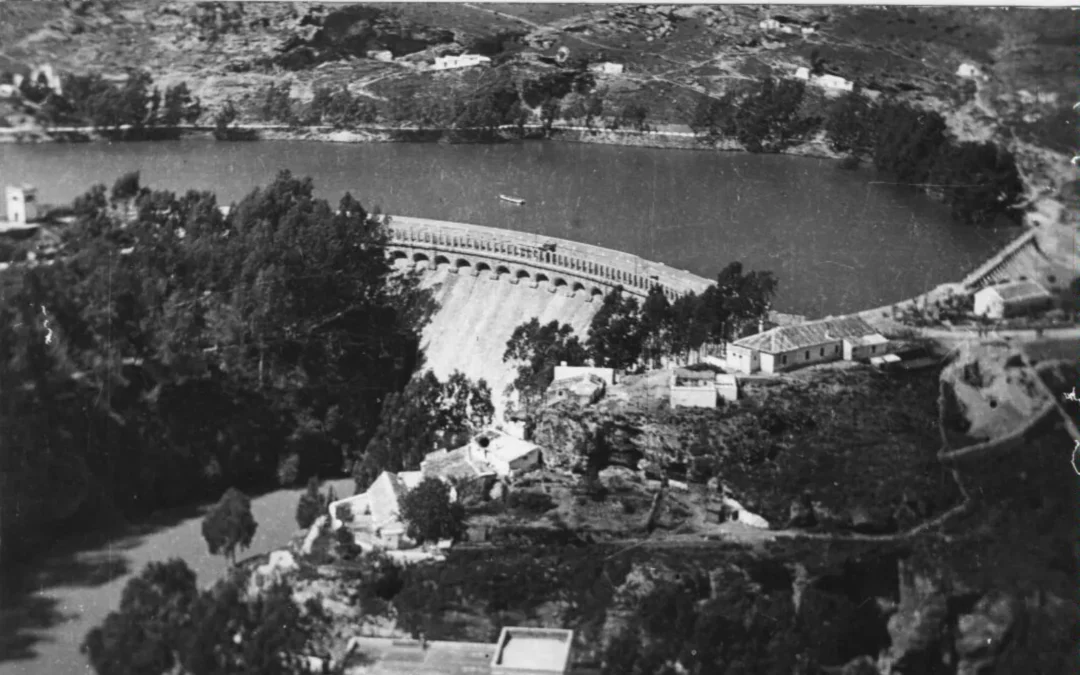
El Pantano del Chorro: A Journey Through Its History and Construction
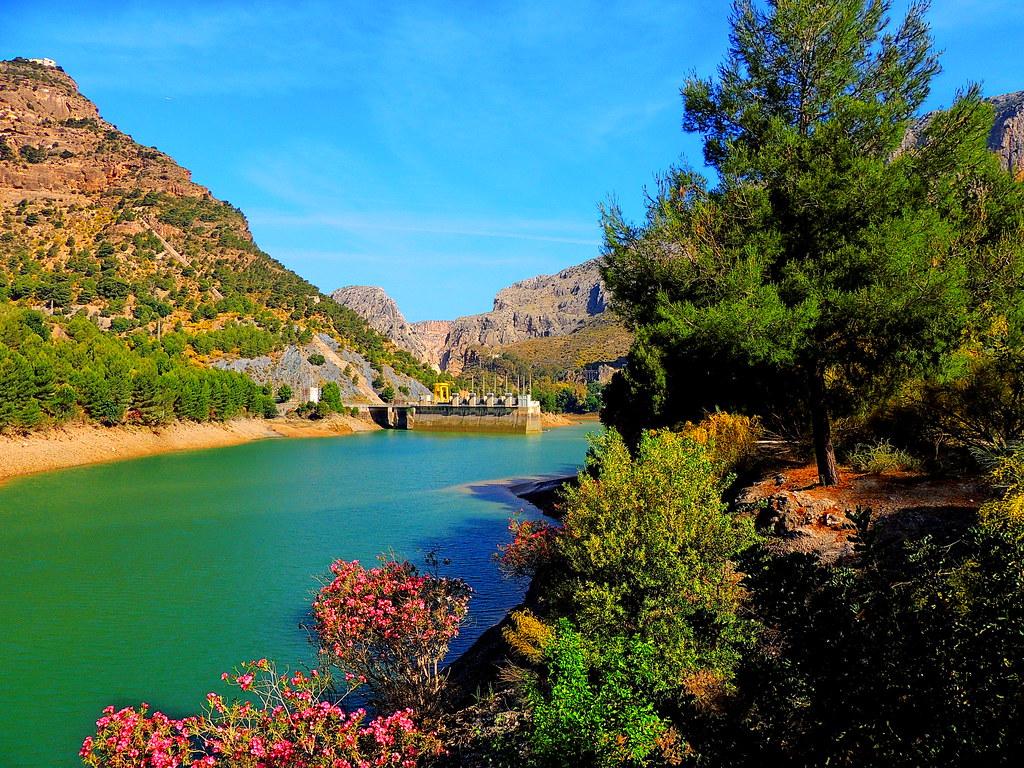
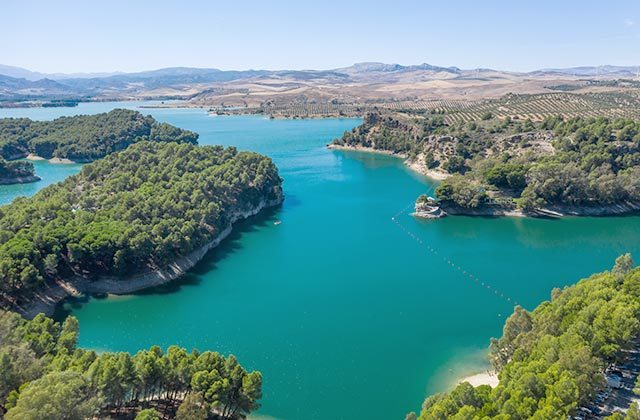
Nestled in the heart of Málaga province, in southern Spain, lies one of the most emblematic and picturesque places: the Chorro Reservoir. Known for its stunning landscapes and historical significance, this reservoir is not only a dream tourist destination but also a testament to human ingenuity and effort. In this post, we will explore the fascinating history of the Chorro Reservoir, from its origins to its construction, and reveal some unusual details that make this place a unique gem.
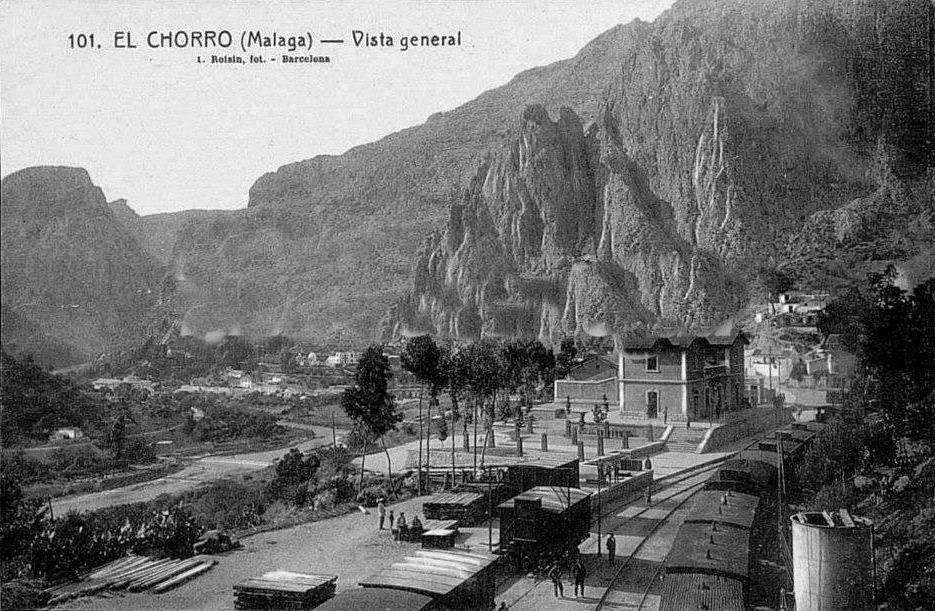
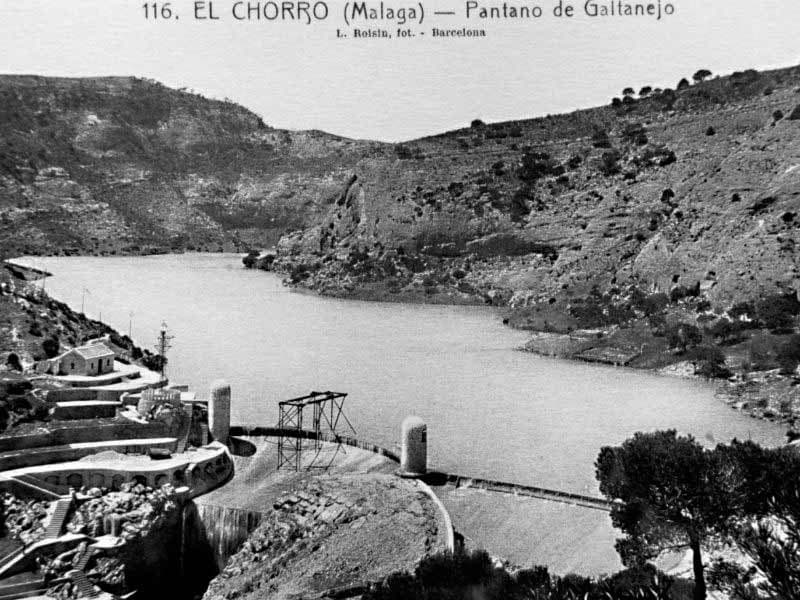
A Little History
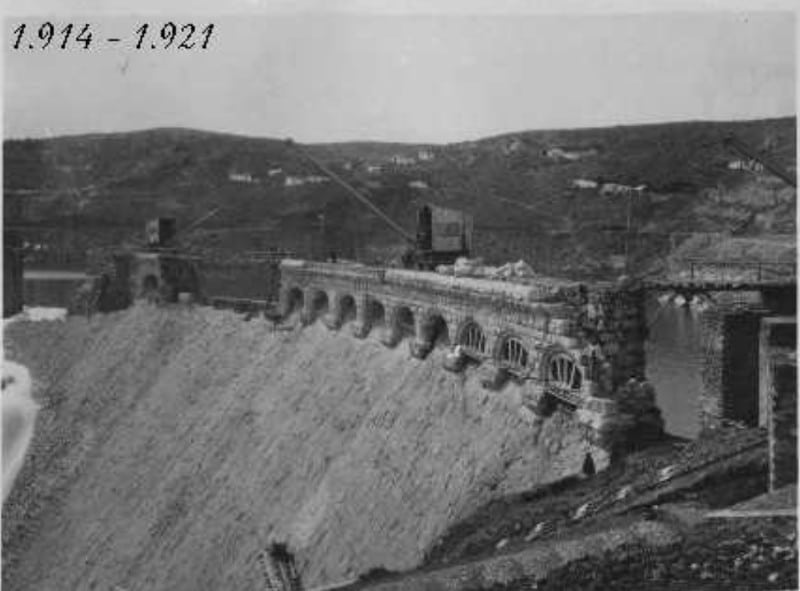
El Pantano del Chorro, also known as the Conde de Guadalhorce Reservoir, began to take shape at the start of the 20th century. It was in 1914 that the decision was made to commence work on the construction of this reservoir, with the aim of regulating the flow of the Guadalhorce River and supplying water for irrigation and human consumption. The construction of the dam was carried out in the context of an ambitious hydraulic project that sought to improve the quality of life and agricultural conditions in the region.
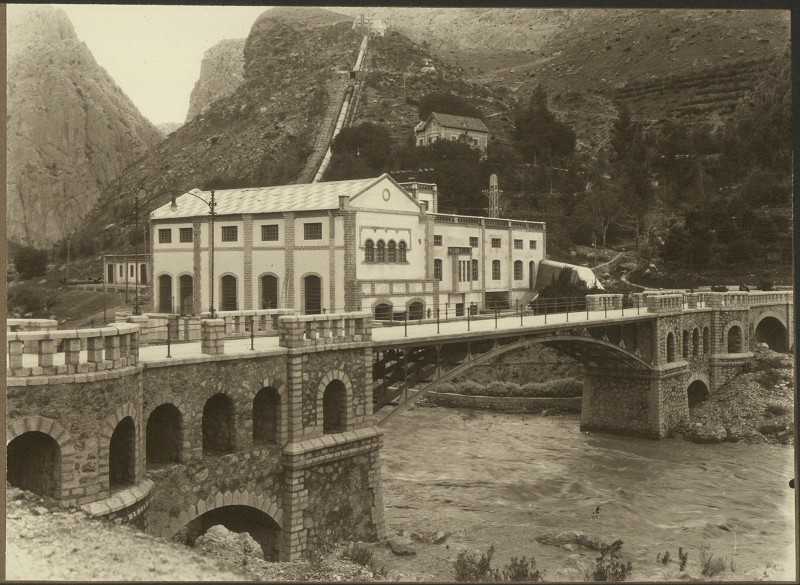
The Project's Initiator: Rafael Benjumea y Burín
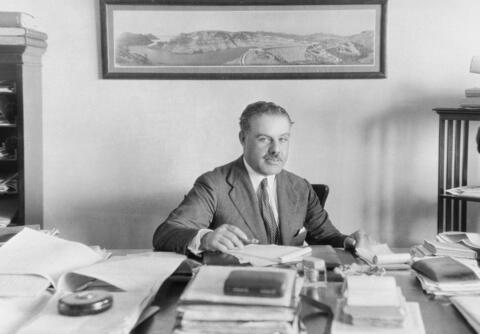
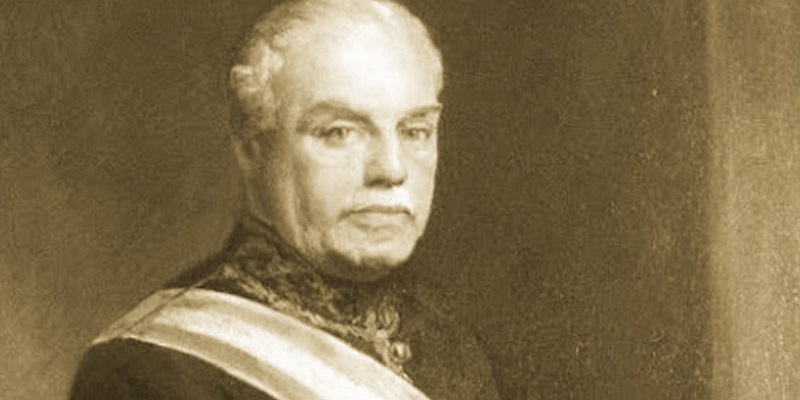
The main architect behind this colossal project was Rafael Benjumea y Burín, a Spanish engineer and politician, who would later be granted the title of Count of Guadalhorce in honour of his work. His vision and leadership were fundamental to the completion of the reservoir. Benjumea was a fervent advocate for the modernisation of Spain through hydraulic infrastructure, and the Chorro Reservoir was one of his greatest achievements.
Construction: A Colossal Challenge
The construction of the Chorro Dam was not a simple task. Work officially began in 1914 and continued until 1921. During these years, numerous technical and logistical challenges were faced. The mountainous terrain and the need to build a large dam required the application of advanced engineering techniques for the time.
One of the most notable aspects of the construction is the use of intensive labour. Thousands of workers were involved in the construction of the reservoir, many of them living in temporary camps nearby. Working conditions were harsh and dangerous, and historical records indicate that there were several accidents and human losses during the works.
Unusual Details
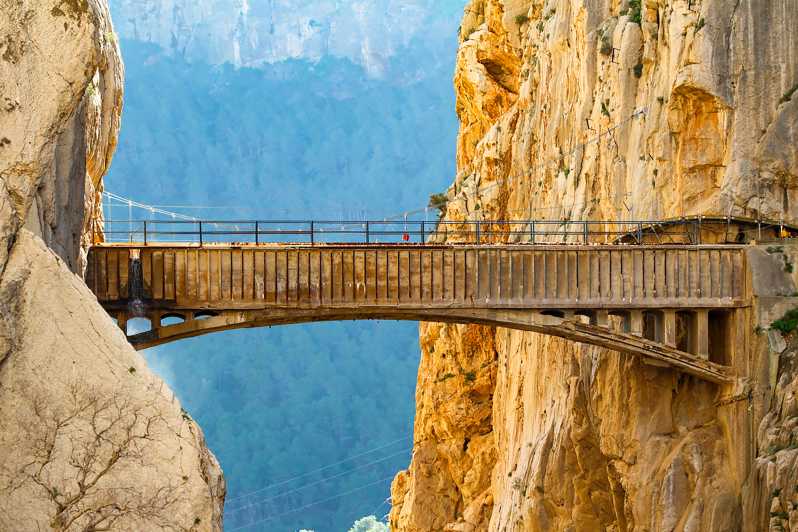
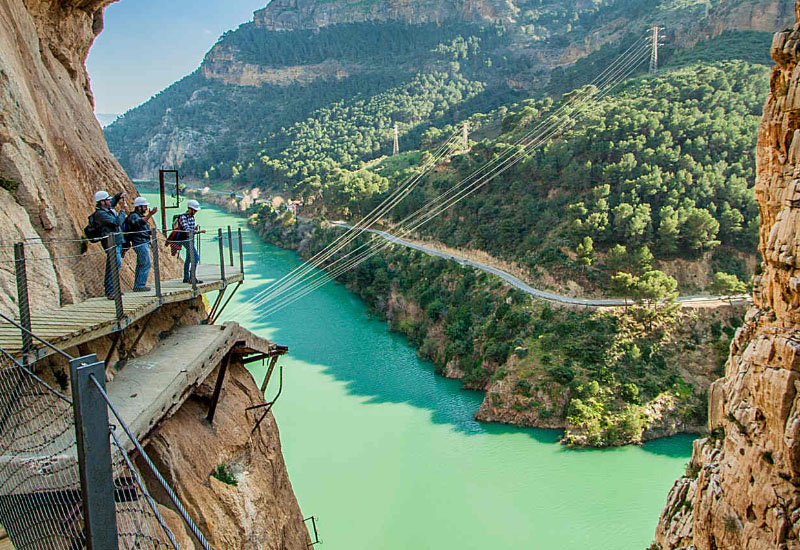
The Chorro Swamp is not only impressive for its size and function, but it also holds some unusual details that capture the imagination of any visitor. One of these details is the famous Caminito del Rey. This path, originally built to provide workers with access to the dam and hydraulic facilities, has become a tourist attraction in its own right. Suspended on the walls of the El Chorro gorge, the Caminito del Rey offers dizzying views and a unique experience for adventurers.
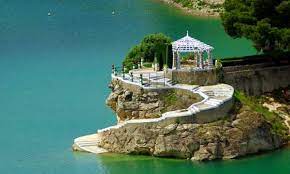
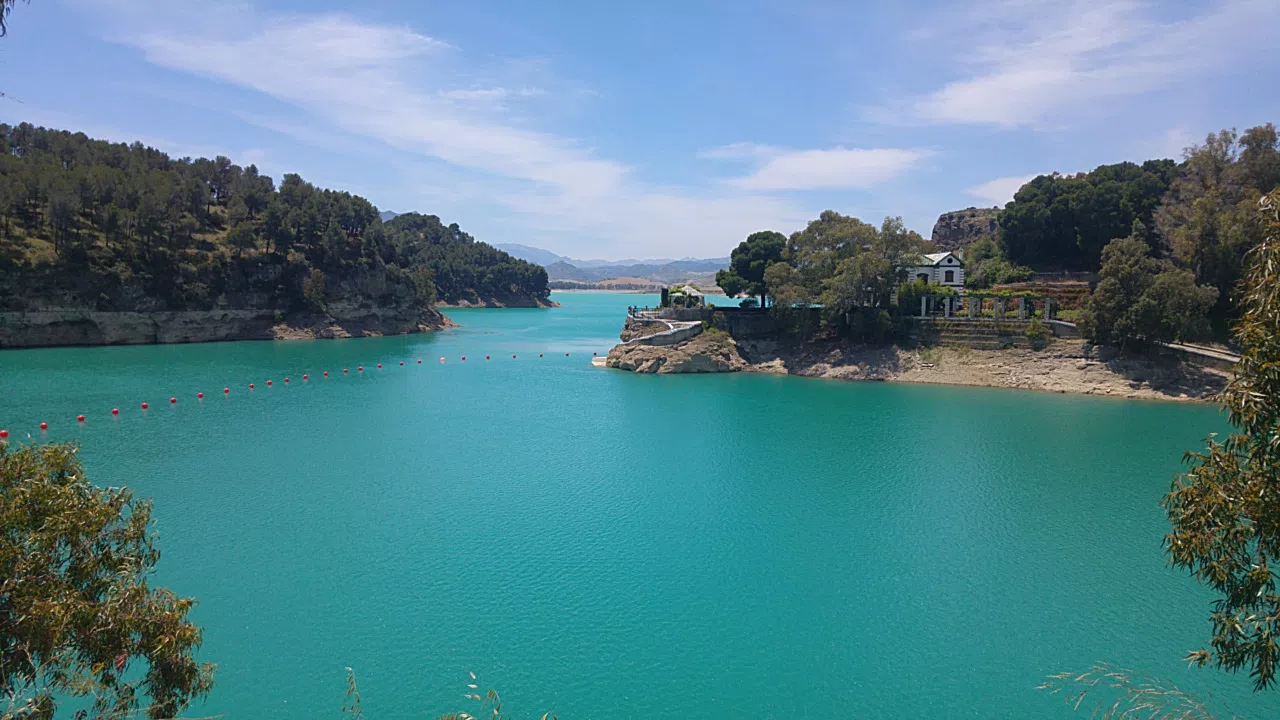
Another fascinating aspect of the Chorro Gorge is the integration of aesthetic architectural elements into its design. The engineer's house, an elegant Neo-Mudejar style building, stands as a monument to the era of engineering and to the man who made the construction of the reservoir possible. This house not only served as a residence but also as an operations centre during the construction.
Impacto y Legado
Since its inauguration in 1921, the Chorro Reservoir has played a crucial role in the development of the Málaga region. It has enabled the irrigation of vast agricultural areas, ensuring crop production and improving the quality of life for thousands of people. Furthermore, the reservoir has contributed to the supply of drinking water for the local population, a vital resource in a region characterised by its warm, dry climate.
The legacy of Rafael Benjumea and the El Chorro Reservoir lives on today. The reservoir and its surroundings have become an important tourist destination, attracting visitors from all over the world who come to enjoy its natural beauty and explore the history it holds. Recreational activities such as hiking, kayaking and climbing are popular in the area, making El Chorro Reservoir a meeting point for nature and outdoor sports enthusiasts.
Conclusion
El Pantano del Chorro is much more than a simple feat of engineering; it is a testament to human effort, innovation, and determination. Its history, from the visionary plans of Rafael Benjumea to the challenges of its construction, reminds us of humanity's capacity to transform the environment for the benefit of society. When visiting El Pantano del Chorro, one not only encounters a breathtaking landscape but also a rich cultural heritage and a symbol of progress.
Next time you're planning a getaway to a place where history and nature intertwine, consider the Desfiladero de los Gaitanes. Immerse yourself in its past, walk along the historic Caminito del Rey, and let the echoes of history transport you to a time when engineering and nature united to create something truly spectacular.


